

Spring Break 2026: hot, hot, HOT!
Trying to find cool air and shade in an overheated Joshua Tree National Park.

This post is “too long for email”, so Substack might cut it short in your inbox. If that happens, click ‘View in browser’ at the top right of the email to read the full content.
When we woke up the next morning, Adam rolled over and said, “We cannot hike 7.5 miles today.” I had anticipated this, and after Adam showed me his swollen ankle, we knew we had to figure out a different plan. This meant that the planned hike to Lost Palms Oasis was out of the question.
Luckily, we had picked up a national park newspaper the previous day at the visitor’s center, so we looked through the list of hikes to find short ones that were doable with Adam's ankle. Even though we had to pivot, we figured out a solid plan for the day.
Have you ever seen the movie The Fifth Element? Do you remember the character Ruby Rhod? It’s one of my favorite movies, and it’s appropriate that the theme of the day was how it was so “hot, hot, HOT!” We were lucky that we started out the day at a literal oasis in the middle of the desert.
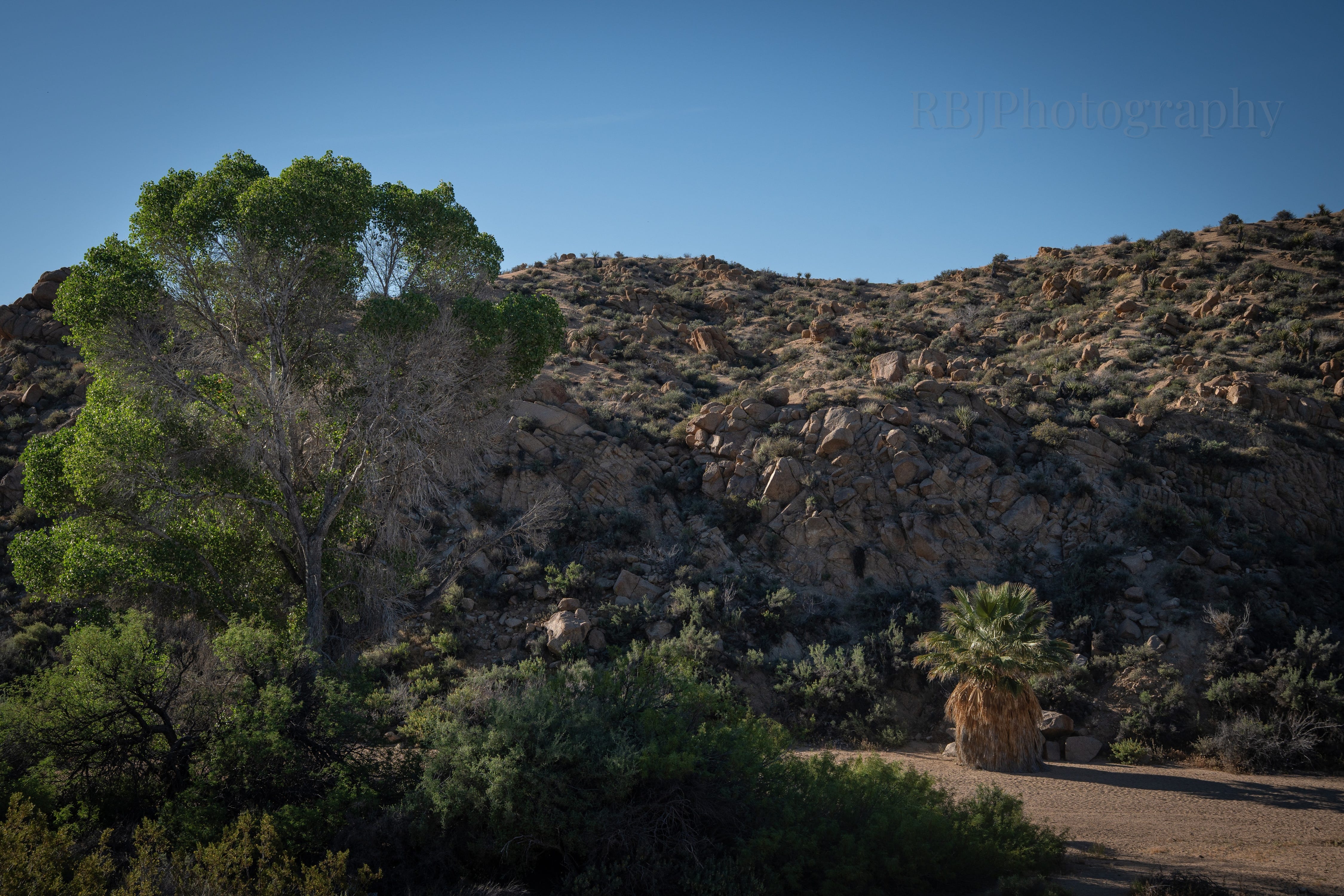
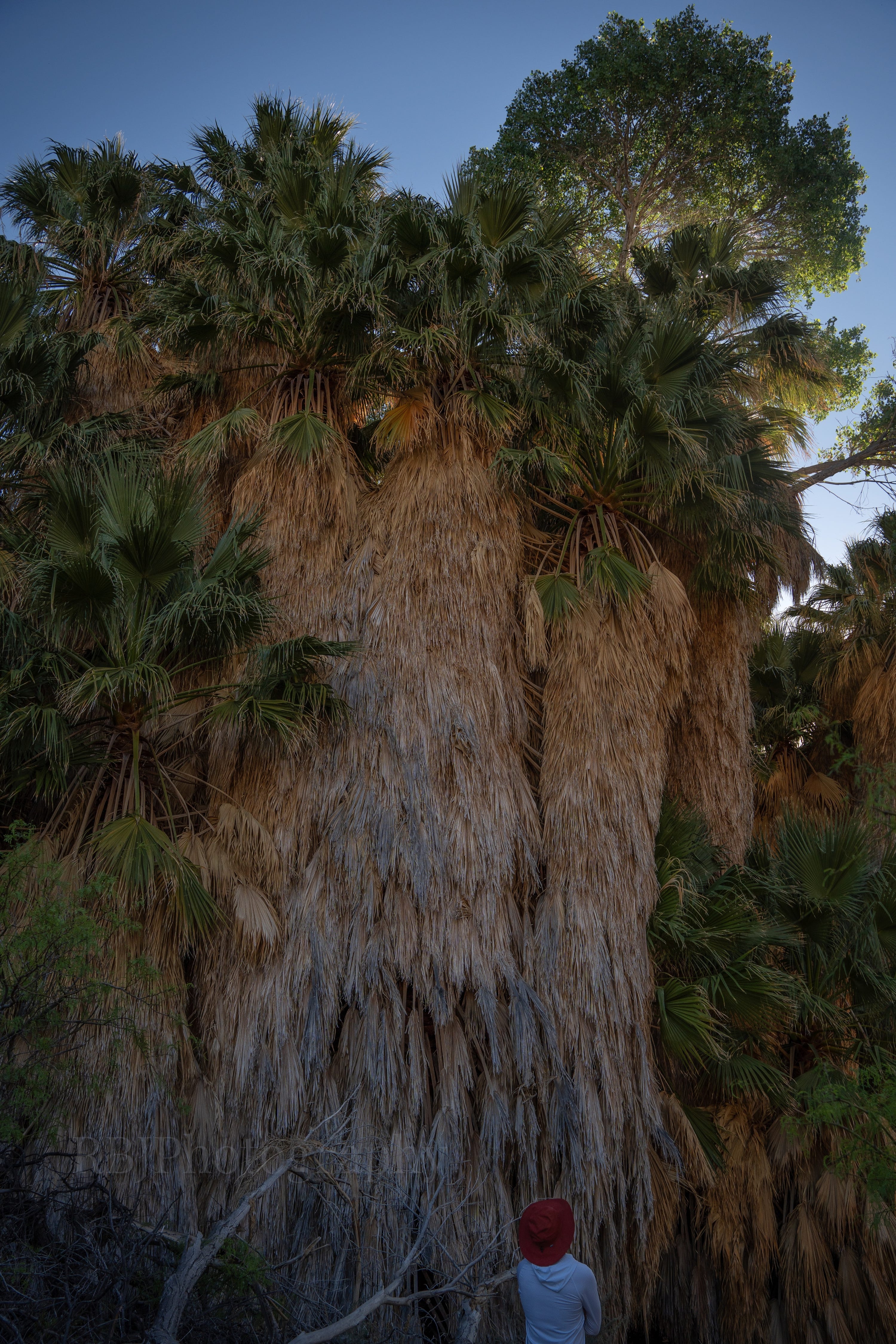
Cottonwood Spring Oasis is located in the southern part of Joshua Tree National Park, about 7 miles from the park’s south entrance, and very close to the Cottonwood Campground, where we camped the previous night. There is not much located at the southern edge of JTNP, and the sole reason we camped at Cottonwood was because of the hike to Lost Palms Oasis, that we wanted to see the park’s largest group of fan palms. Even though we didn’t get the hike in, visiting Cottonwood Spring Oasis was a nice, cool distraction early in the morning.
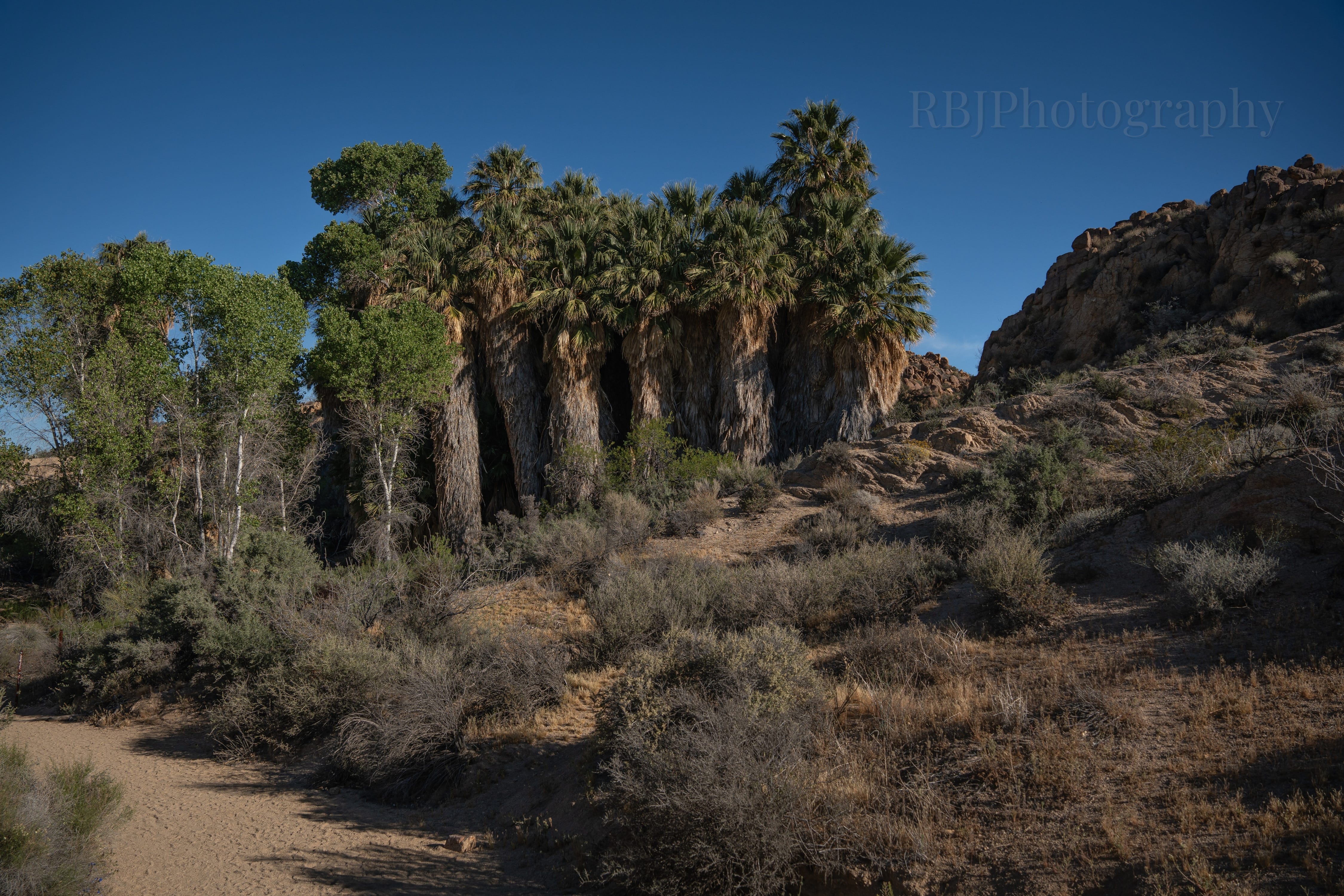
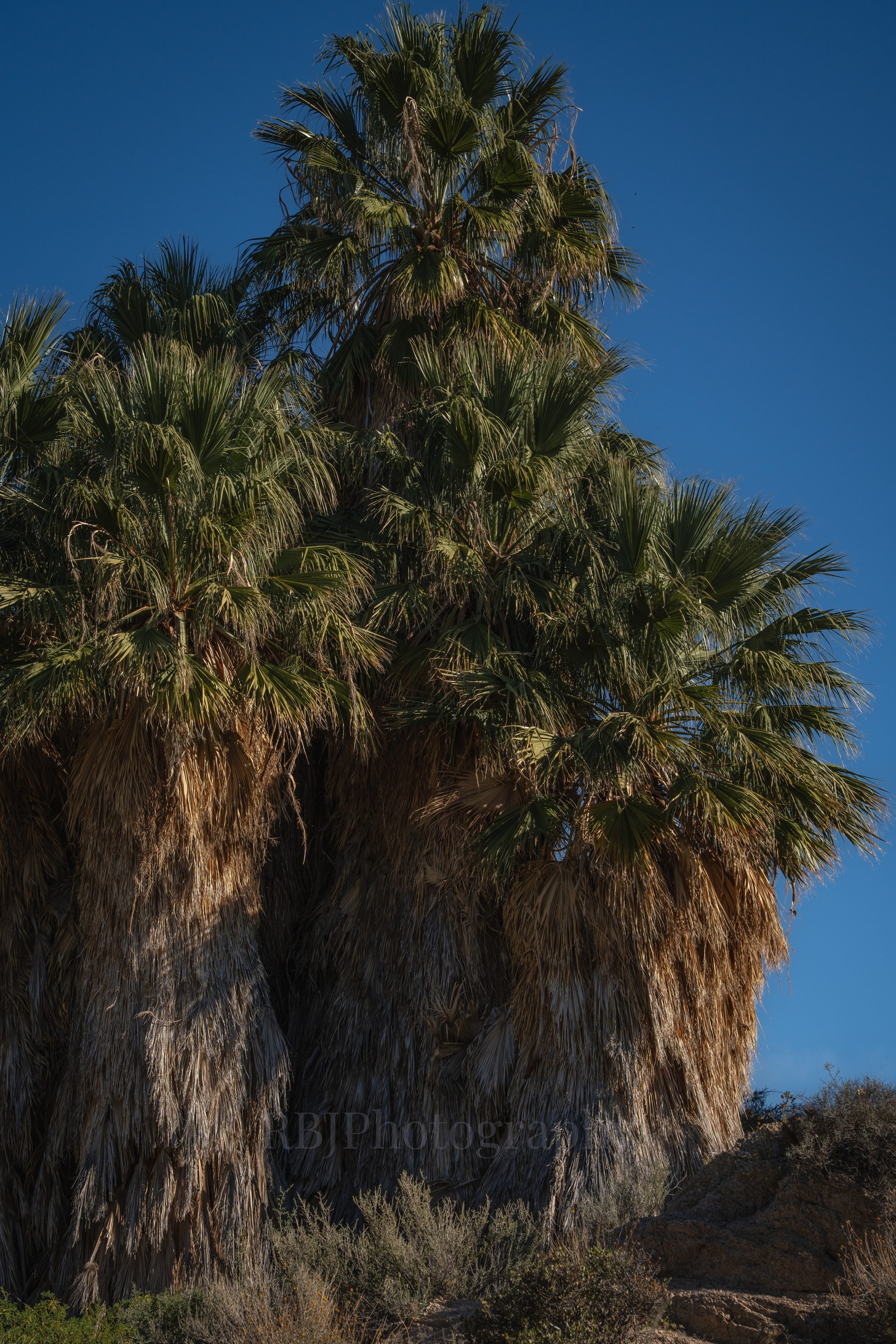
The oasis is here because of the nearby San Andreas Fault. When the Earth’s plates move against each other, they crush the rock into a powdery layer that blocks groundwater, pushing it up through cracks to the surface. The oasis is home to the California Fan Palm, the only palm tree native to the Western United States. These palms, which can grow up to 75 feet tall, appeared around 1920, likely from seeds dropped by birds or coyotes. These palms survive in the desert because their roots pull water from the spring, and the layer of dead fronds around their trunks helps protect them from extreme heat and cold.
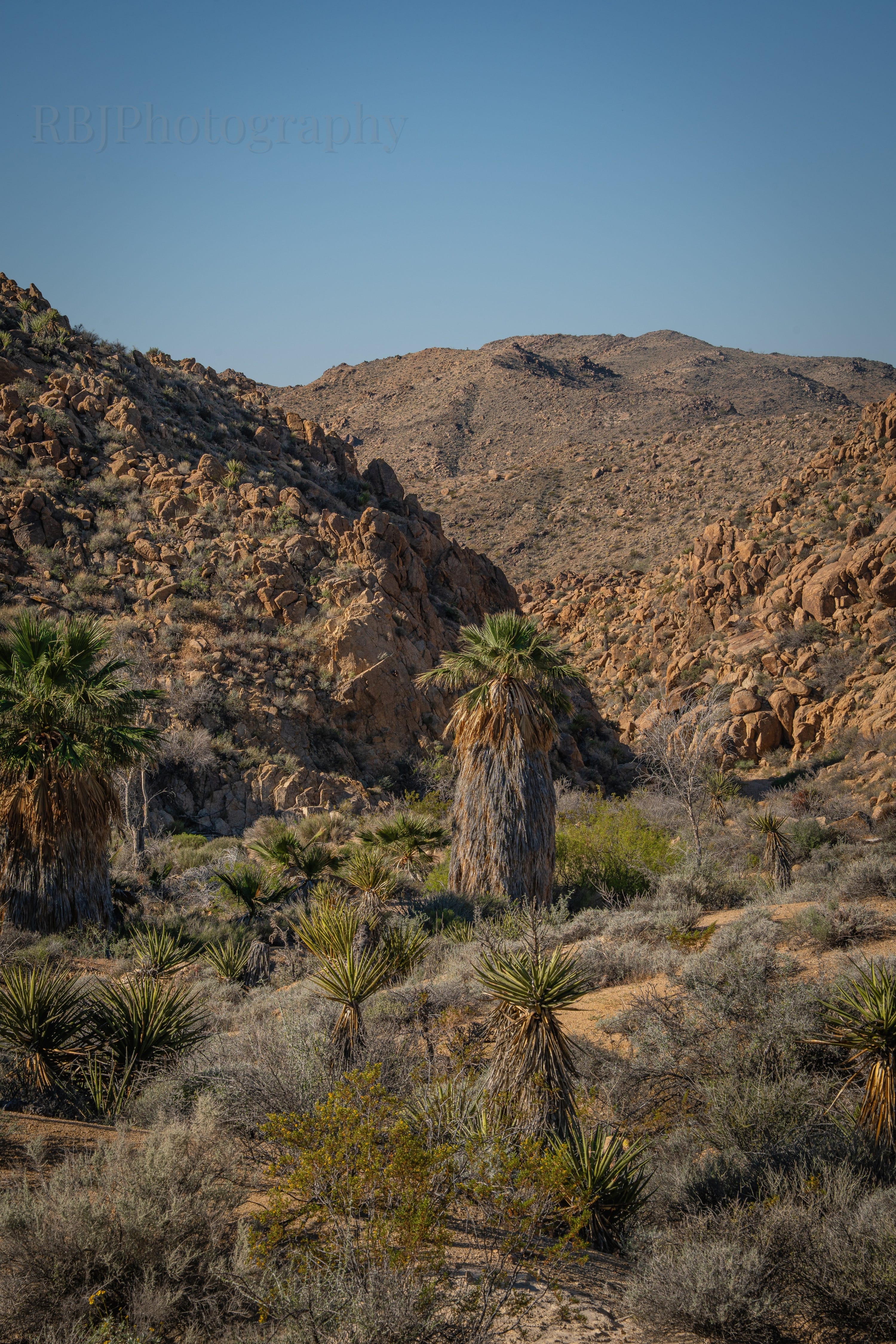
Not far into the oasis, there is a bench in the shade of the fan palms. I told Adam that I could have sat there in the shade all day, enjoying the warm breeze as I read a good book. Though the air was warm, it’s like Colorado - no humidity. Unfortunately, this was the last comfortable moment of the day.
Instead, we left the oasis and drove back north through the park, taking the same route we had driven the previous evening.
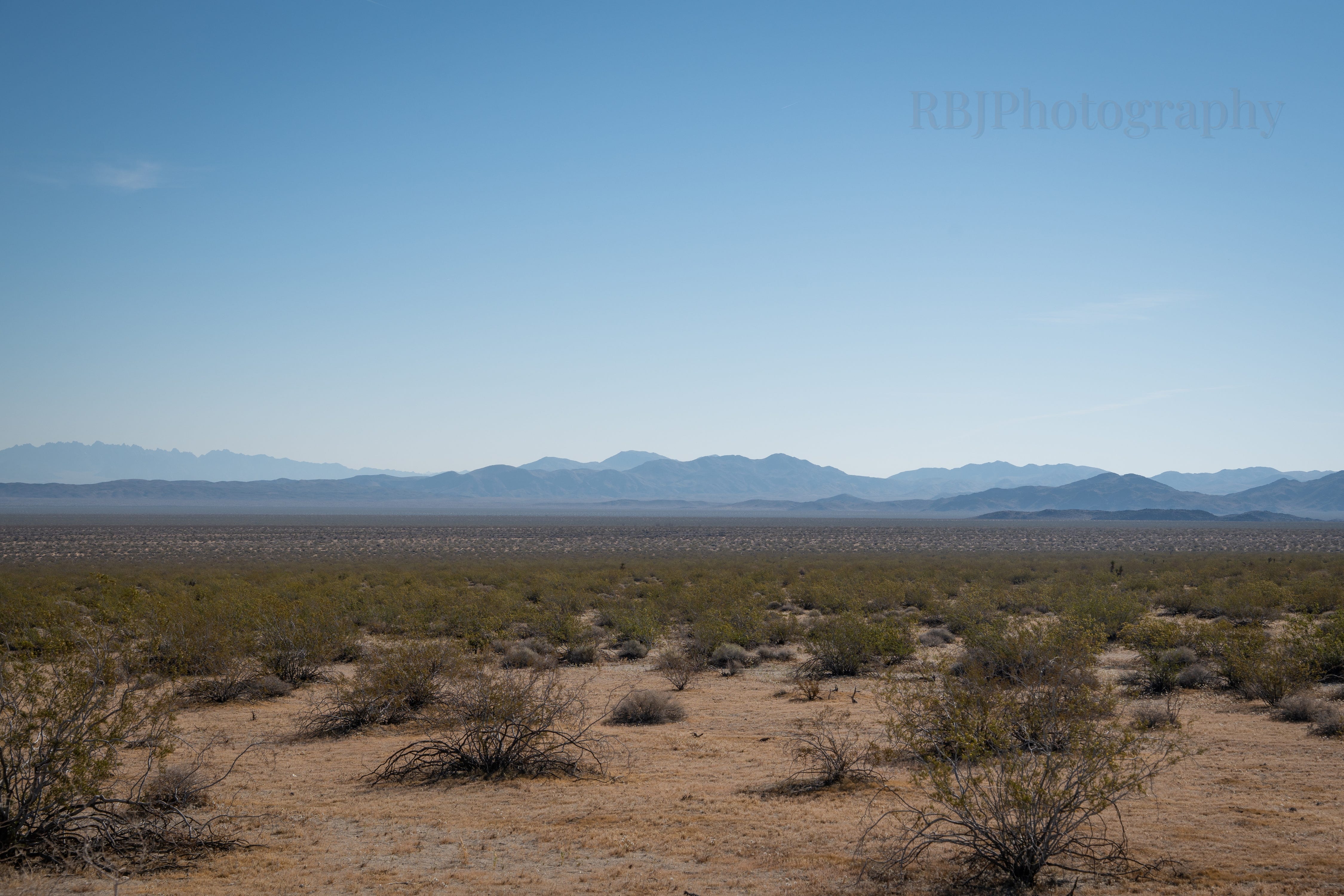
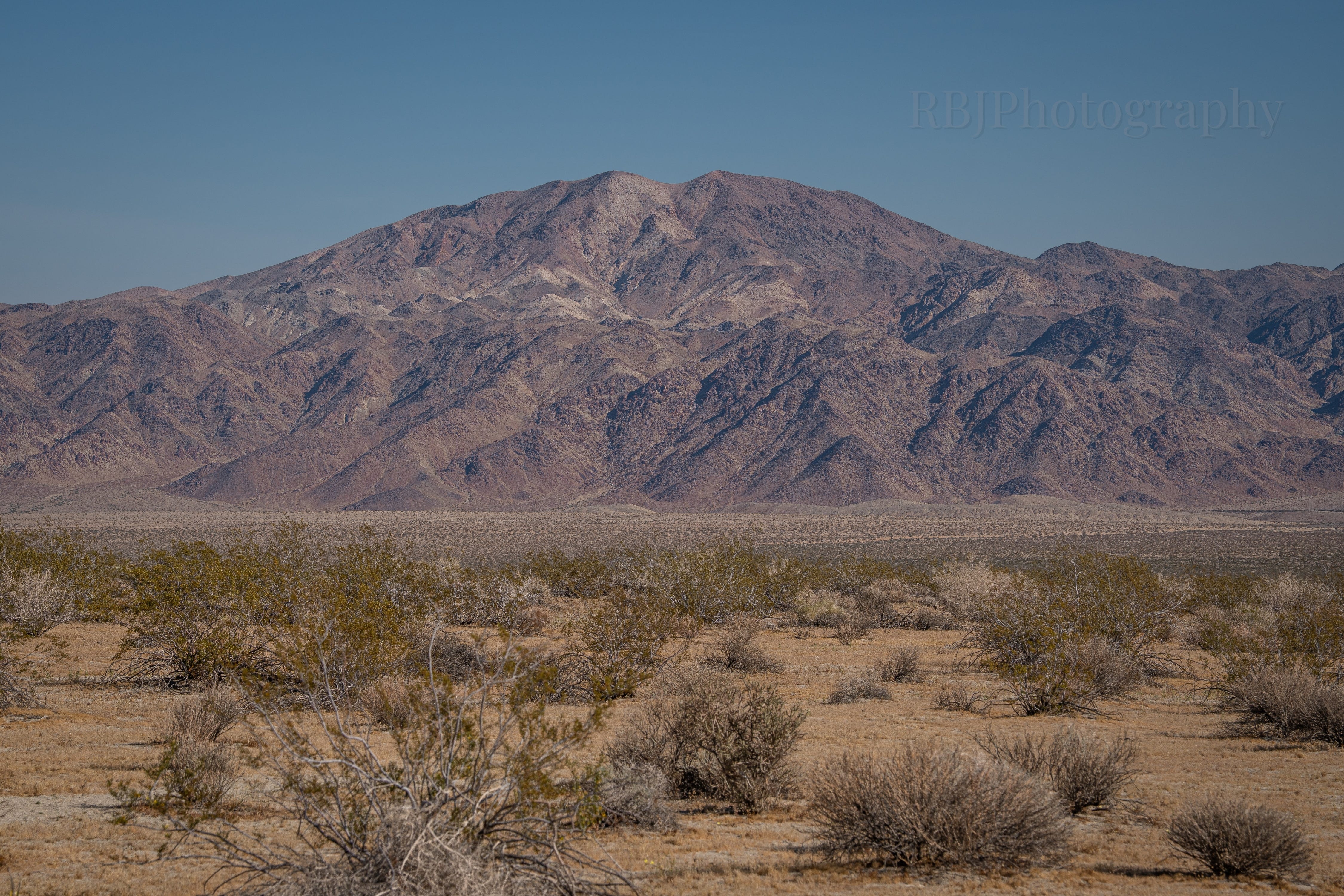
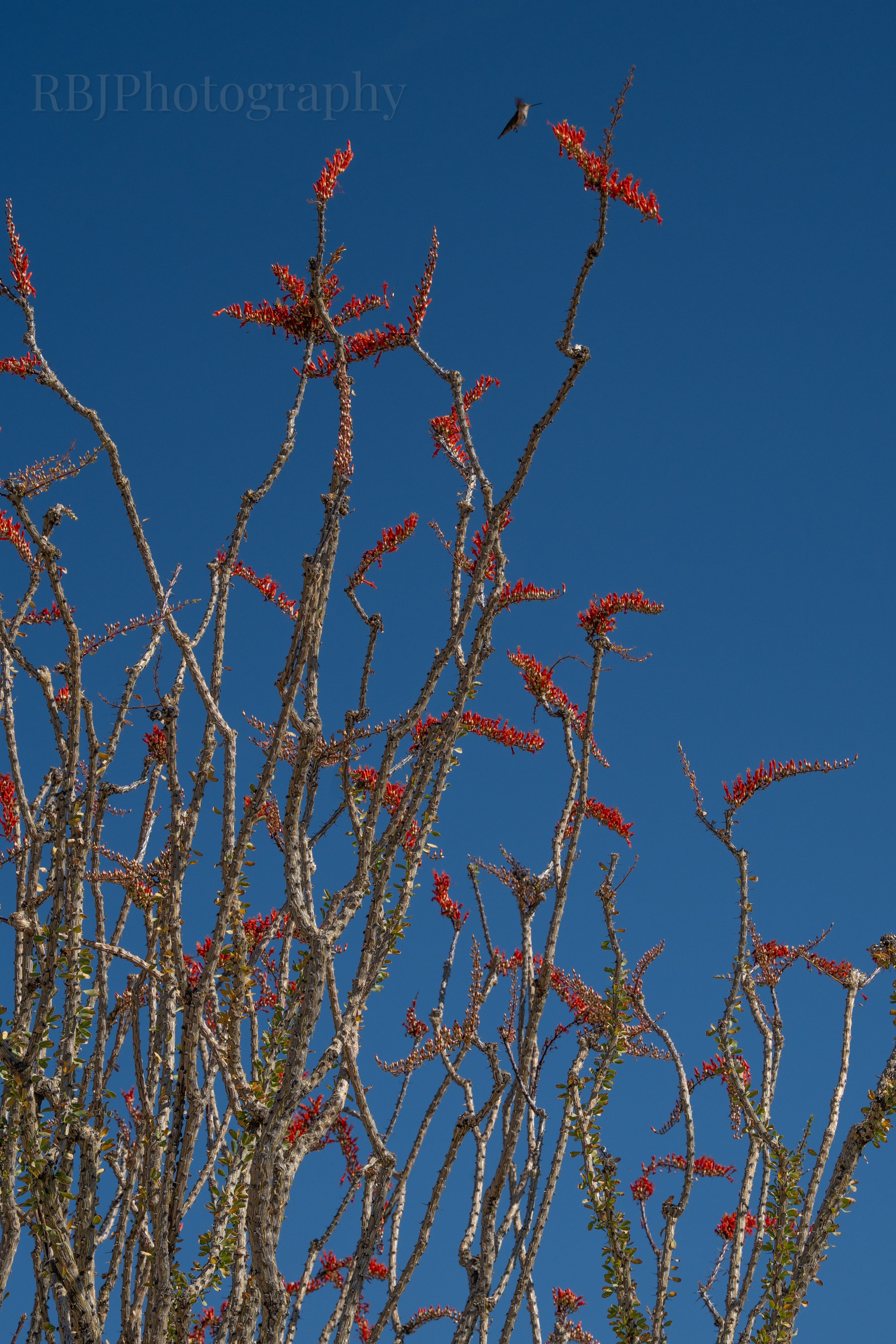
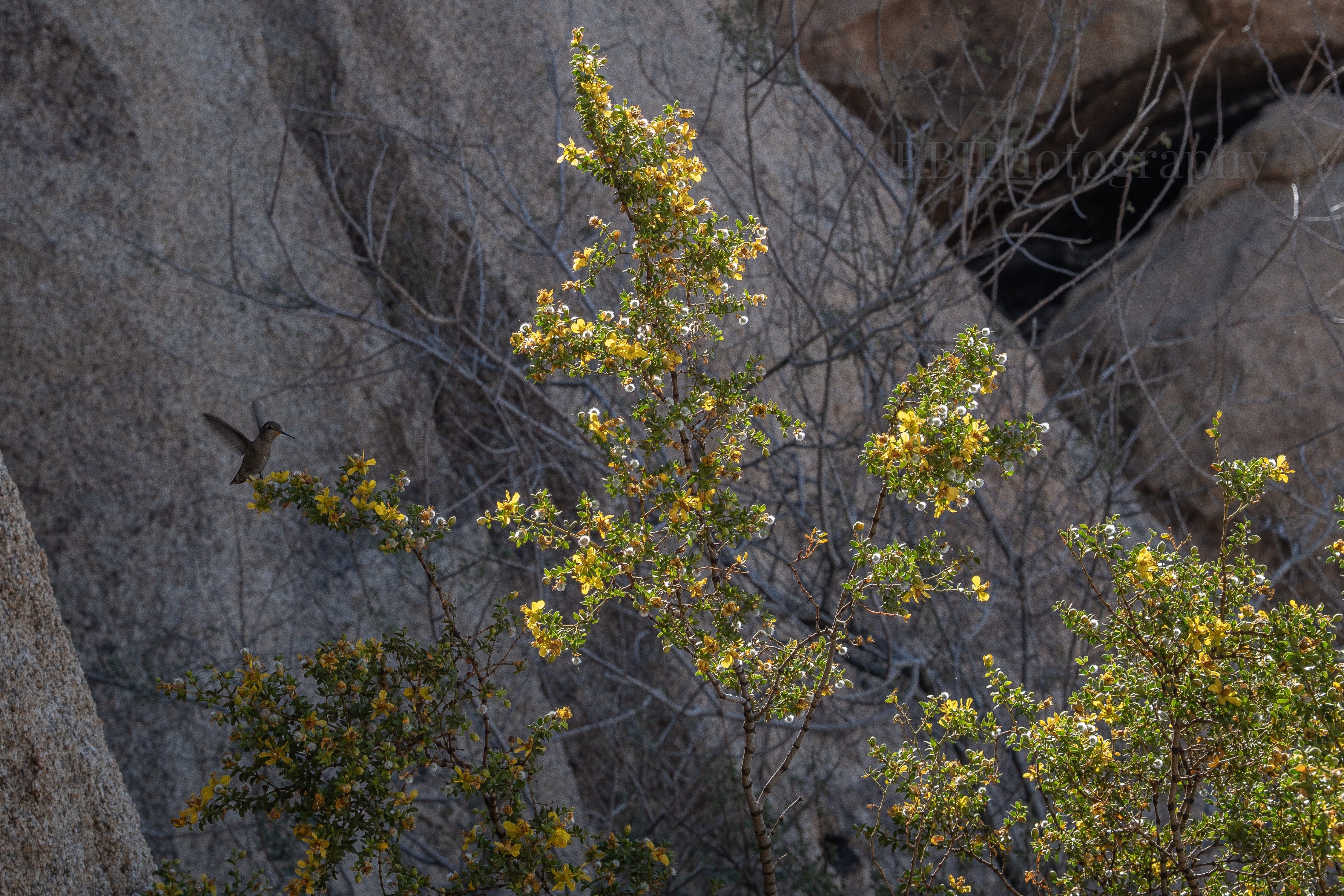
Because we weren’t in a rush, we could take all of the time in the world to stop at pull-offs along Pinto Basin Road. We saw a car stopped at Ocotillo Patch, with a family standing and staring at one of the ocotillo shrubs. Our curiosity got the best of us, so we also stopped to see what they were looking at. They pointed out a hummingbird flitting around the plant. I took a couple of snaps, but when I returned with my telephoto in hand, it flew off, of course.
Not far down the road was the Cholla Cactus Garden. The interpretive trail was closed, but there was room on the side of the road to pull off and take pictures of the cacti. Unlike many of the tourists who also pulled off the road, we did NOT walk through the cacti, knowing our feet could trample the delicate ecology of the area (it helps that we’ve learned this while hiking across the tundras in Colorado).
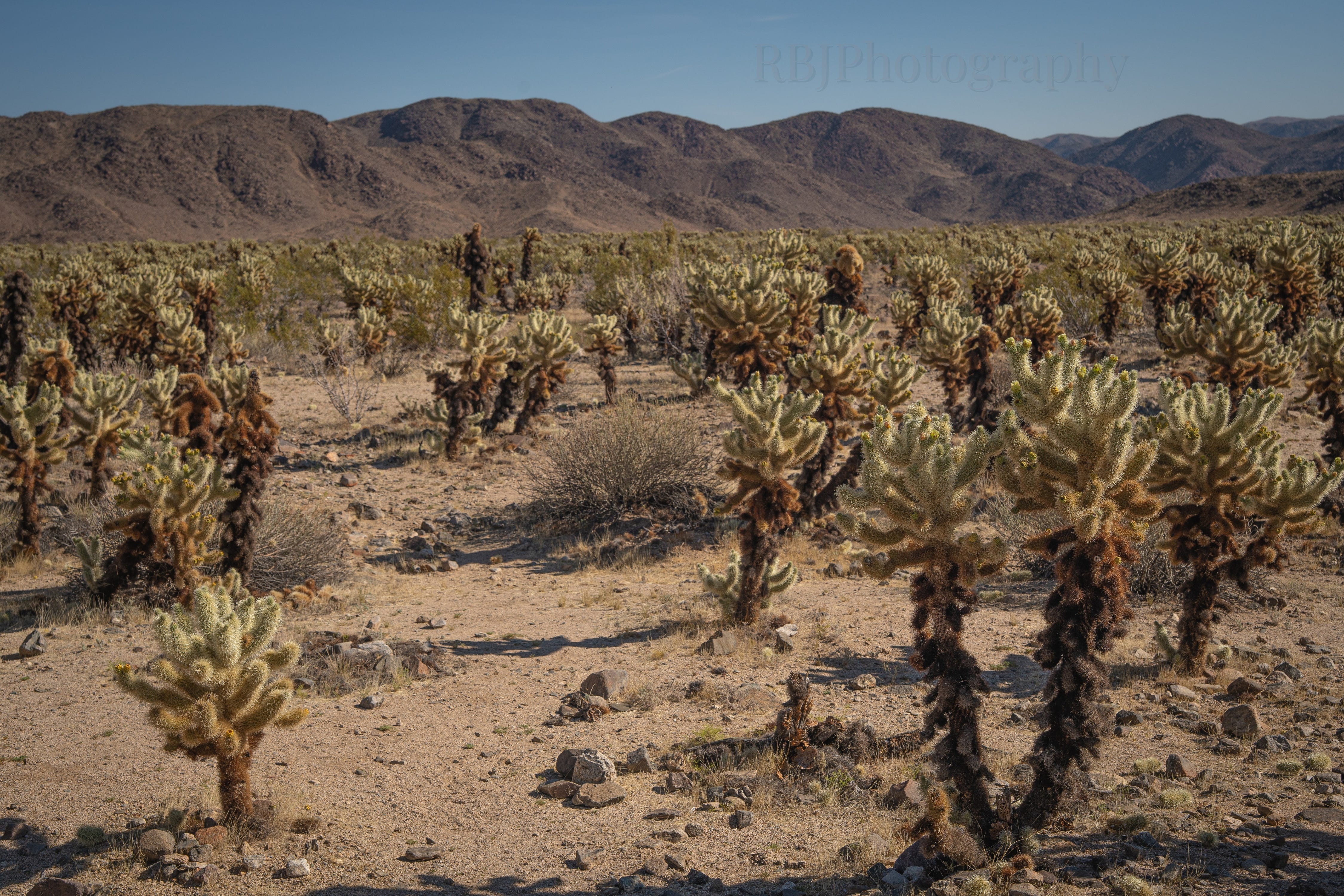
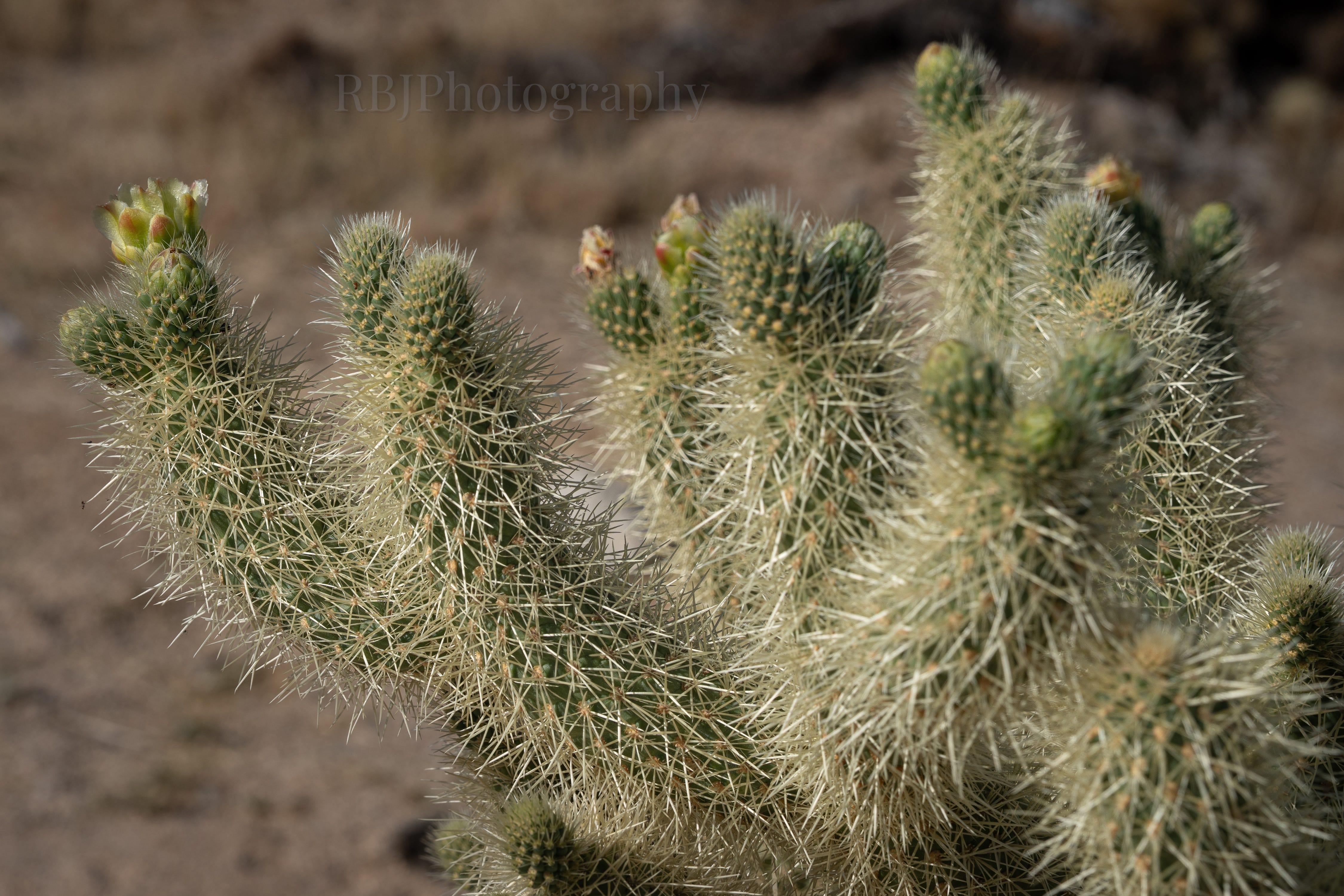
The Cholla Cactus Garden is in the Pinto Basin, the area of JTNP where the Mojave and Colorado Deserts meet. Unlike other parts of the basin, the sloped land, loose gravel, and rocky crevices help rain soak into the ground, providing the cholla cactus with the perfect mix of moisture and soil to grow. The cholla spreads by dropping its stem segments that ultimately take root nearby. Since these cholla segments are too heavy for the wind to move, the cacti form dense clusters, creating the Cholla Cactus Garden.
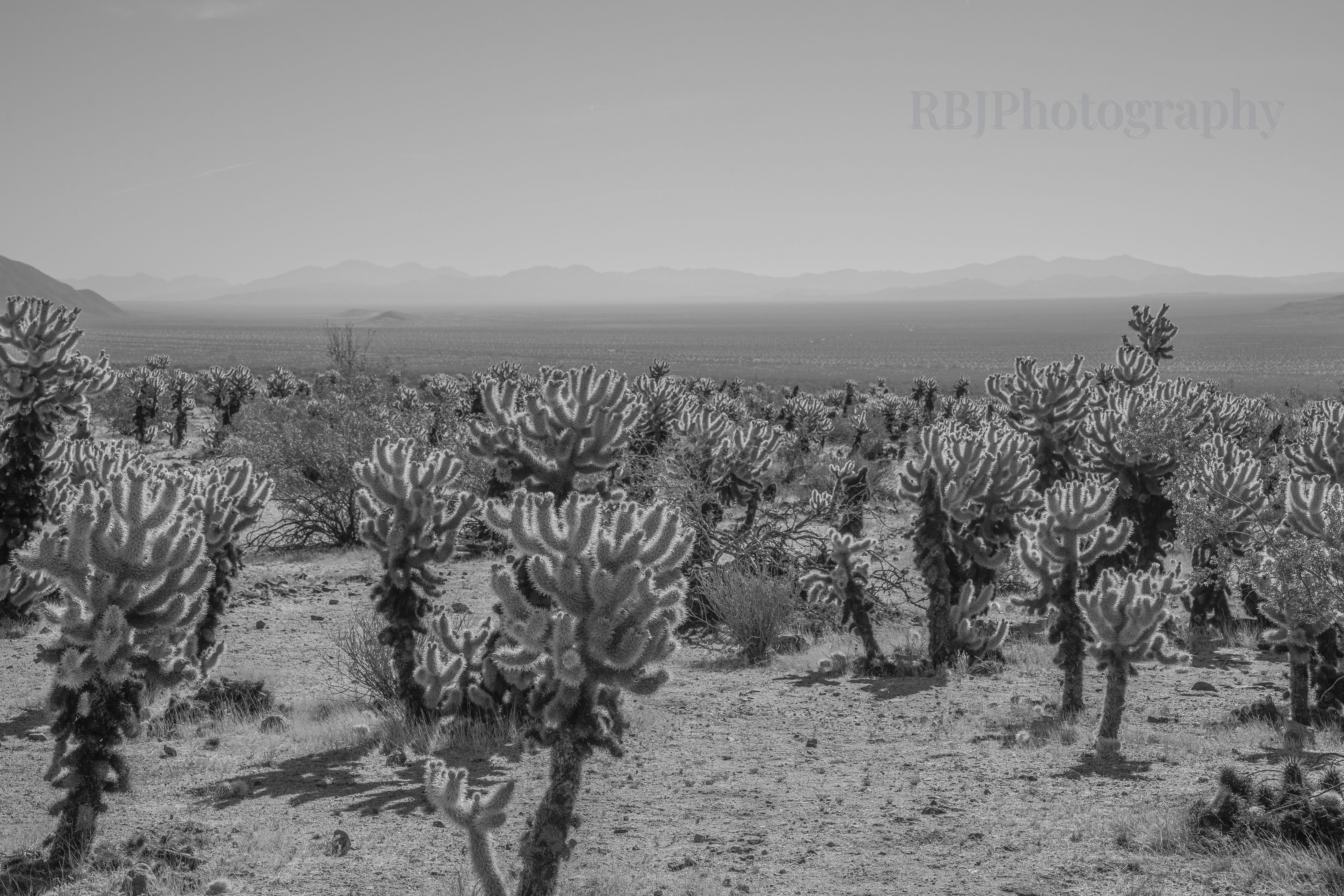
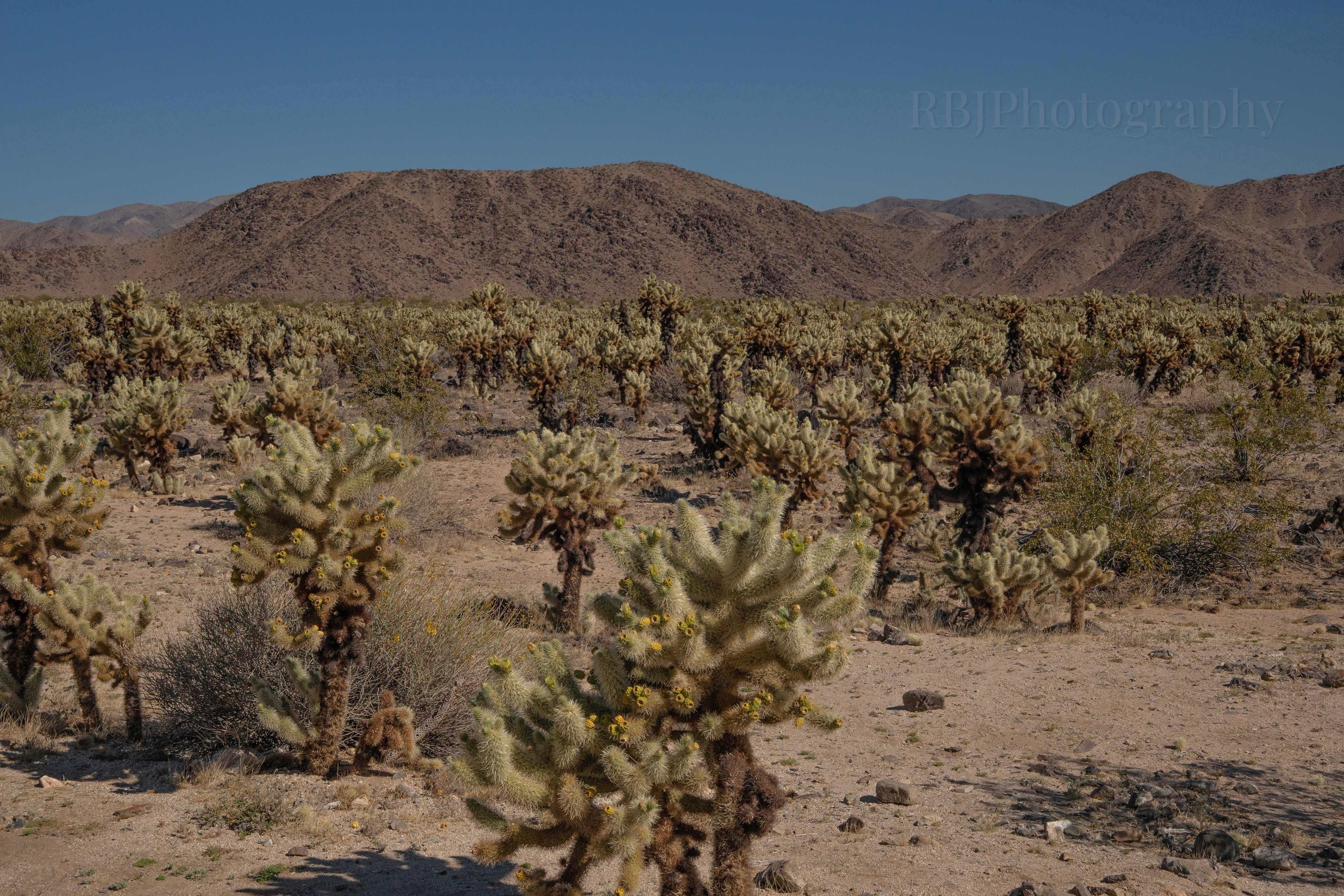
The garden was just incredible. As you navigate along Pinto Basin Road, you are driving through a desert with little vegetation. Then you drive up a bit in elevation and BAM, there are thousands of “teddy bear” cholla cacti on both sides of the road. Because it was still early in the morning, they were beautifully backlit or frontlit, depending on which side of the road you were on.
We also made a quick pit stop at the entrance for Stirrup Tank Road because Adam wanted to explore the little rocky area.
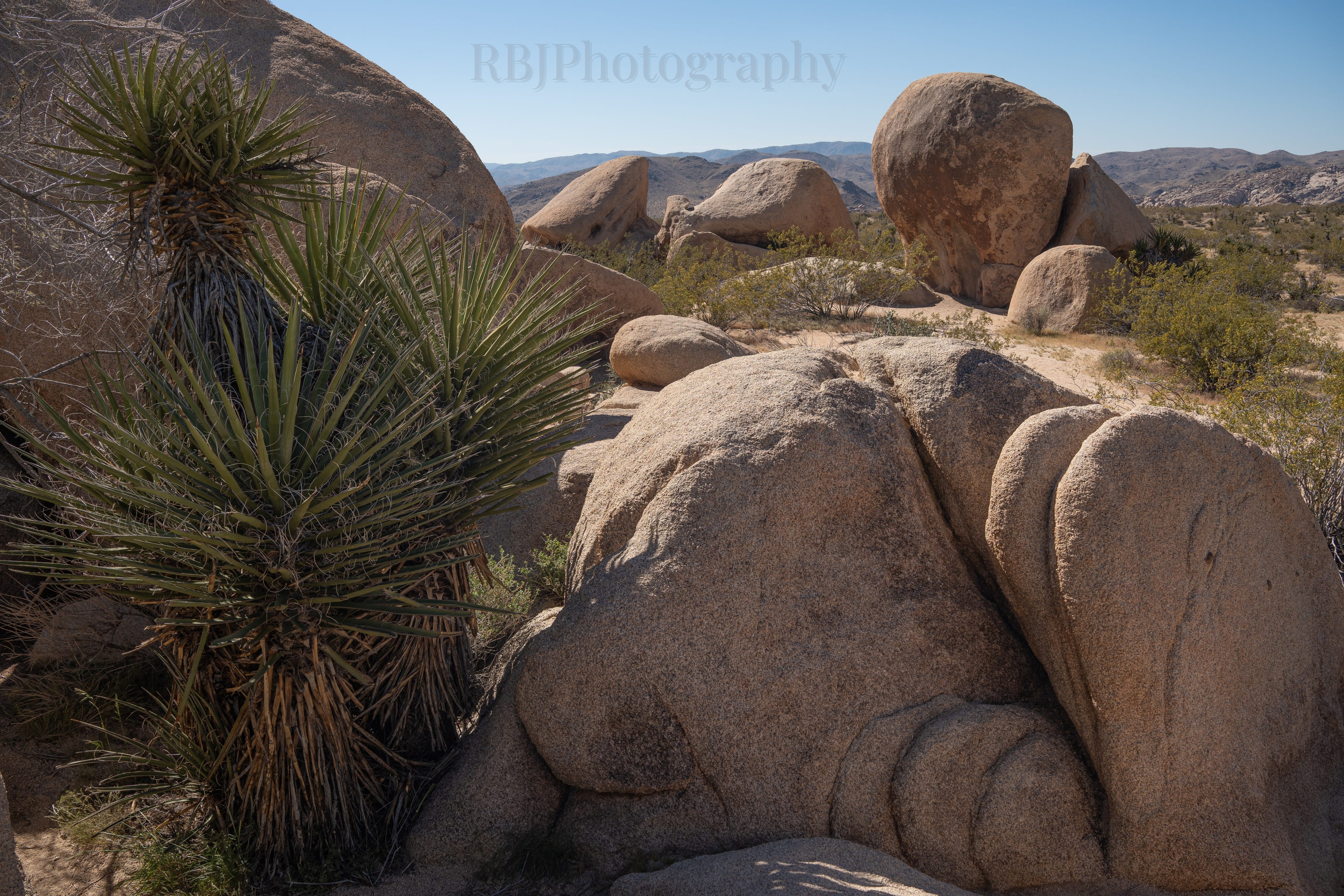
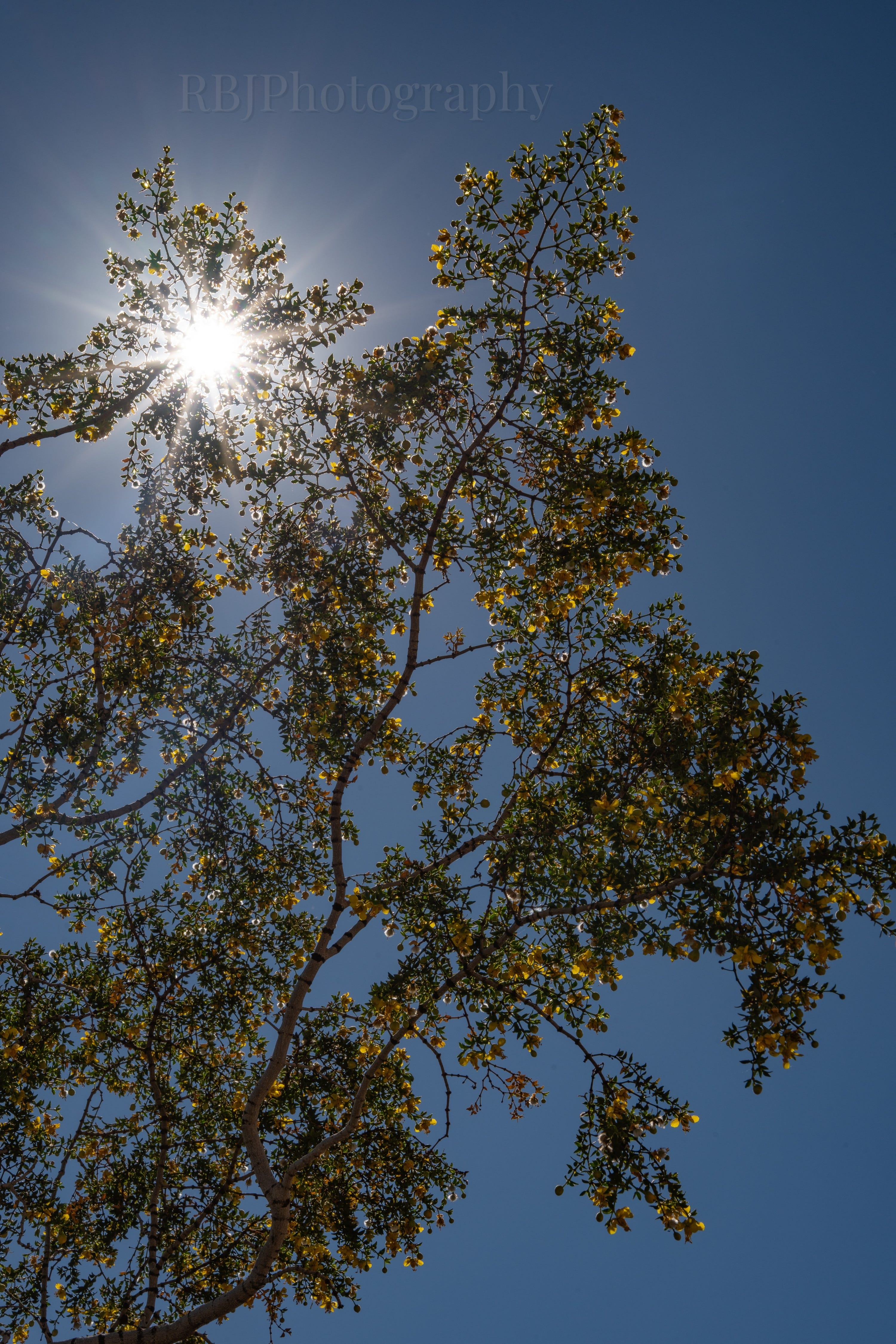
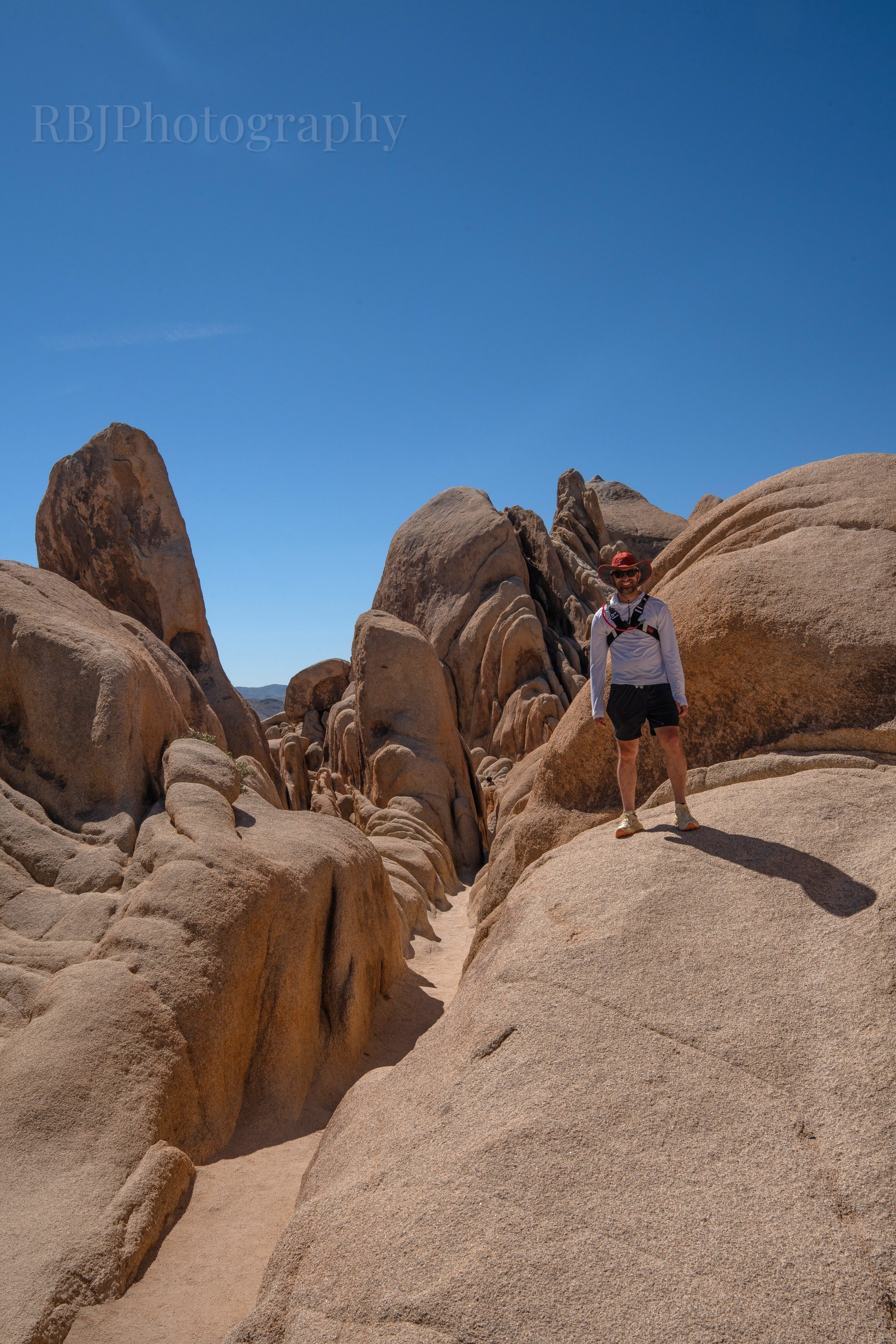
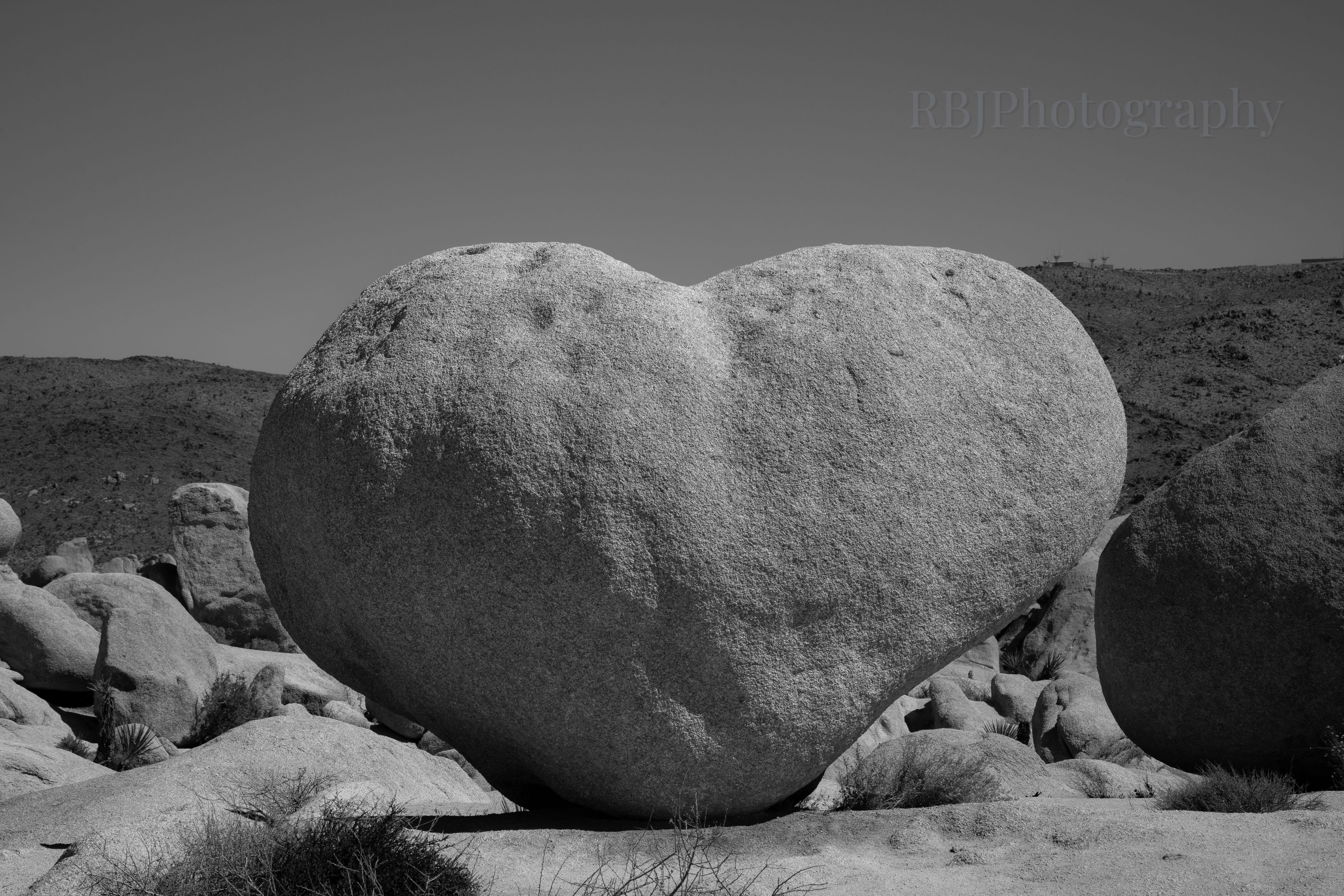
Then we stopped to hike 1.7 miles to Arch and Heart Rock with hundreds of other people (turns out, it’s one of the most popular hikes in the park). It was a nice, easy hike, but also a bit miserable with the scorching sun. The moment we were on the trail, we were both dripping sweat.
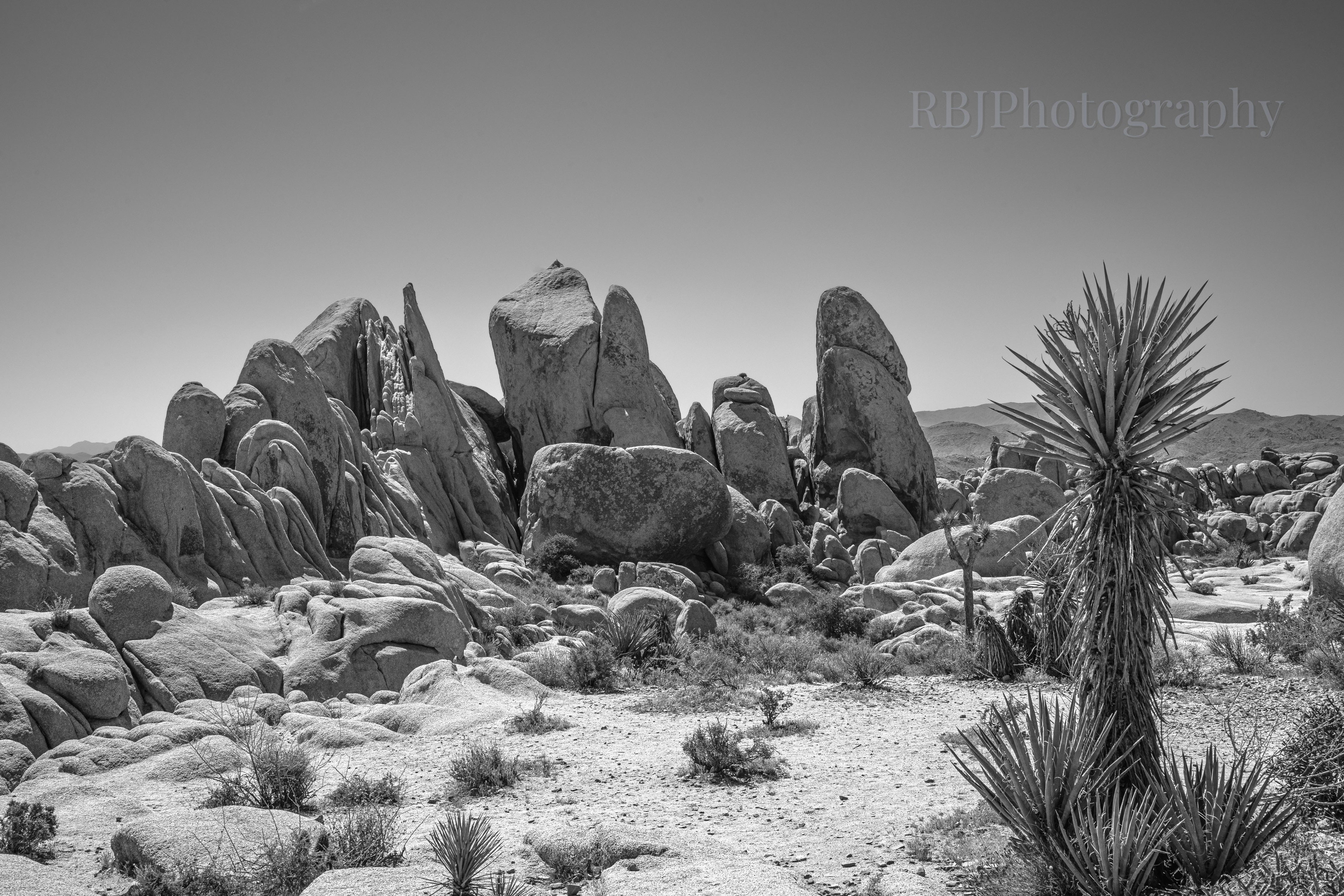
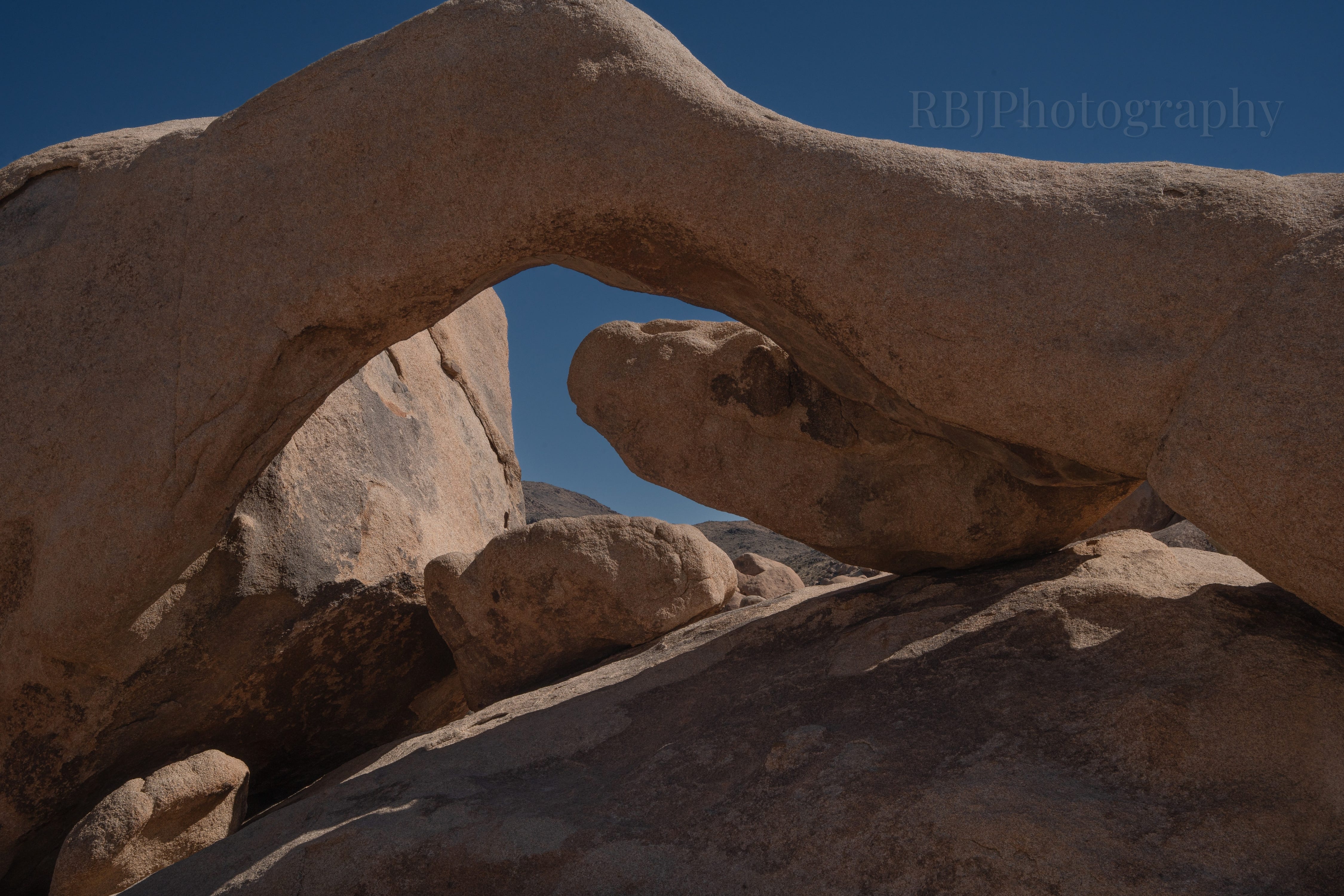
This picture of Arch Rock is deceiving. We had to wait for the perfect moment when no one was getting their picture taken under the arch. It’s strange, to me, that people want their picture taken with the “thing,” to show that they were there with it. Sure, Adam and I will take a selfie, but rarely close-up and even more rarely in front of other people’s pictures. No judgment… it’s just not my vibe. For me, I want the experience there. Even though I’m sharing my photography through this newsletter, it’s not always about me. I’m there, but I’m not the center. I want to share where I went and what it was like.
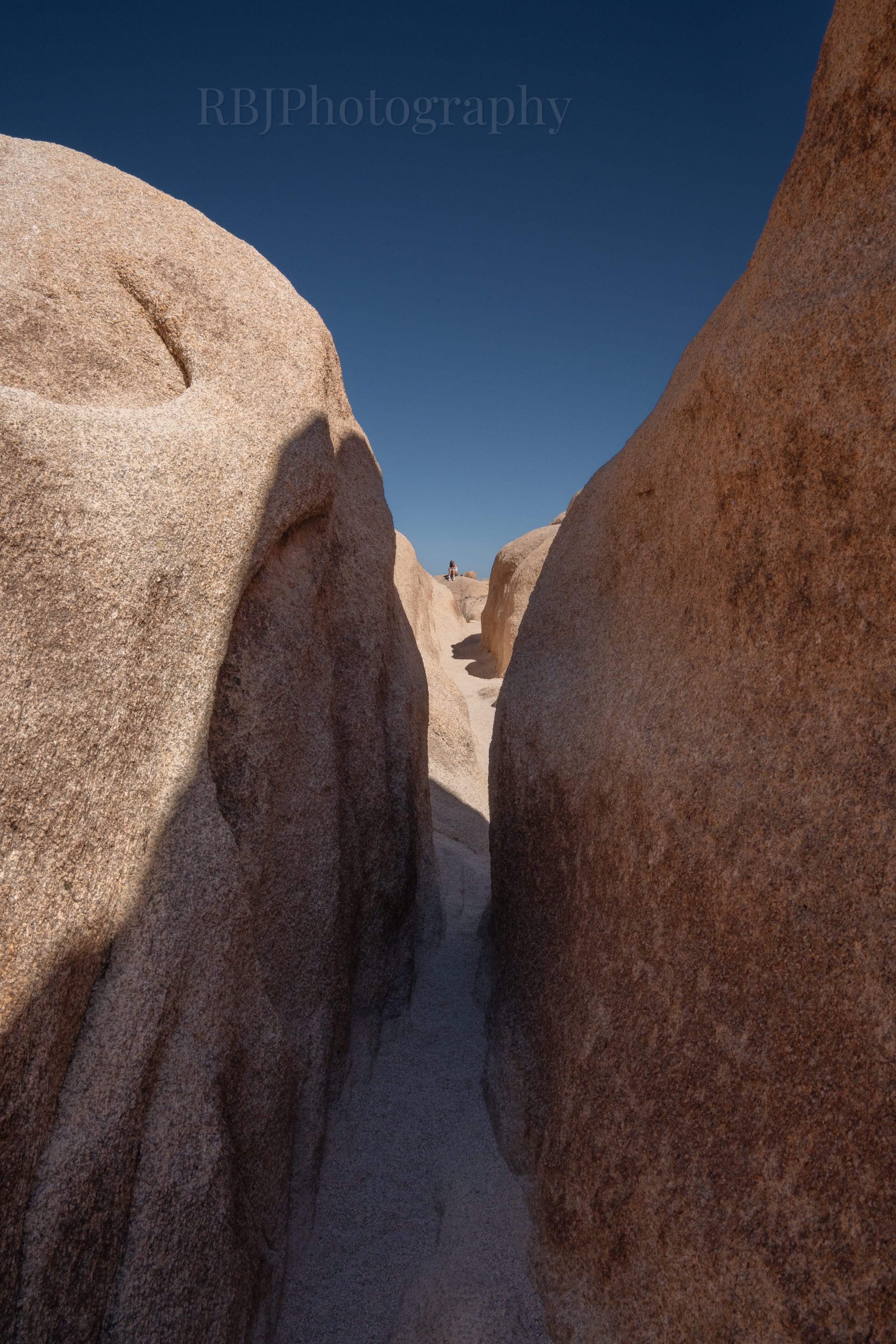
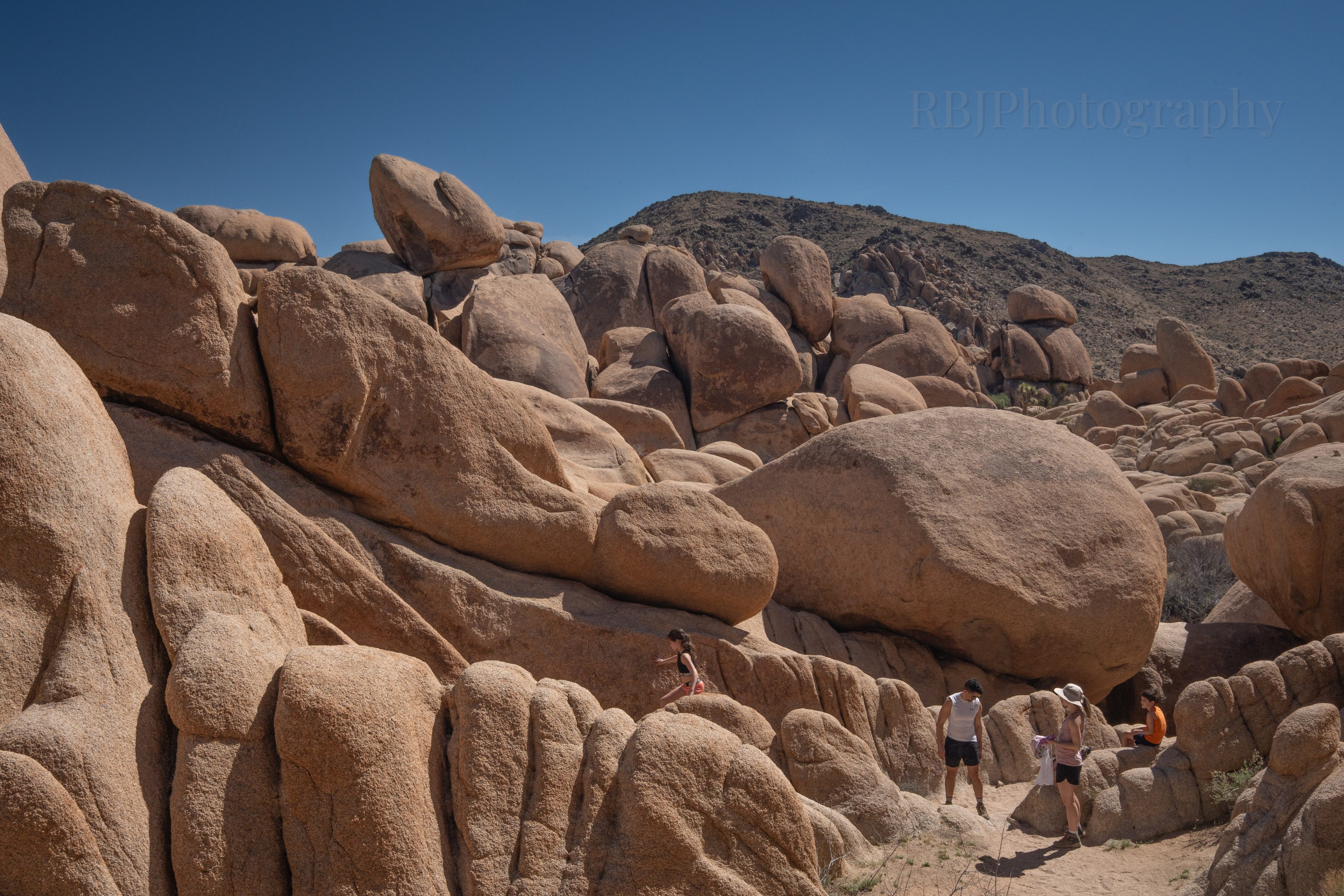
The rock along the trail is monzogranite, formed by the cooling and solidification of lava underground. The monzogranite at Joshua Tree is apparently known for its extreme abrasiveness. To me, the rocks looked smooth from a distance, but up close, I could see that they were pretty rough. They were so easy to walk on, but… when you are shimmying through these tight spots, I found that my knees were ripped up after the hike. Oops.
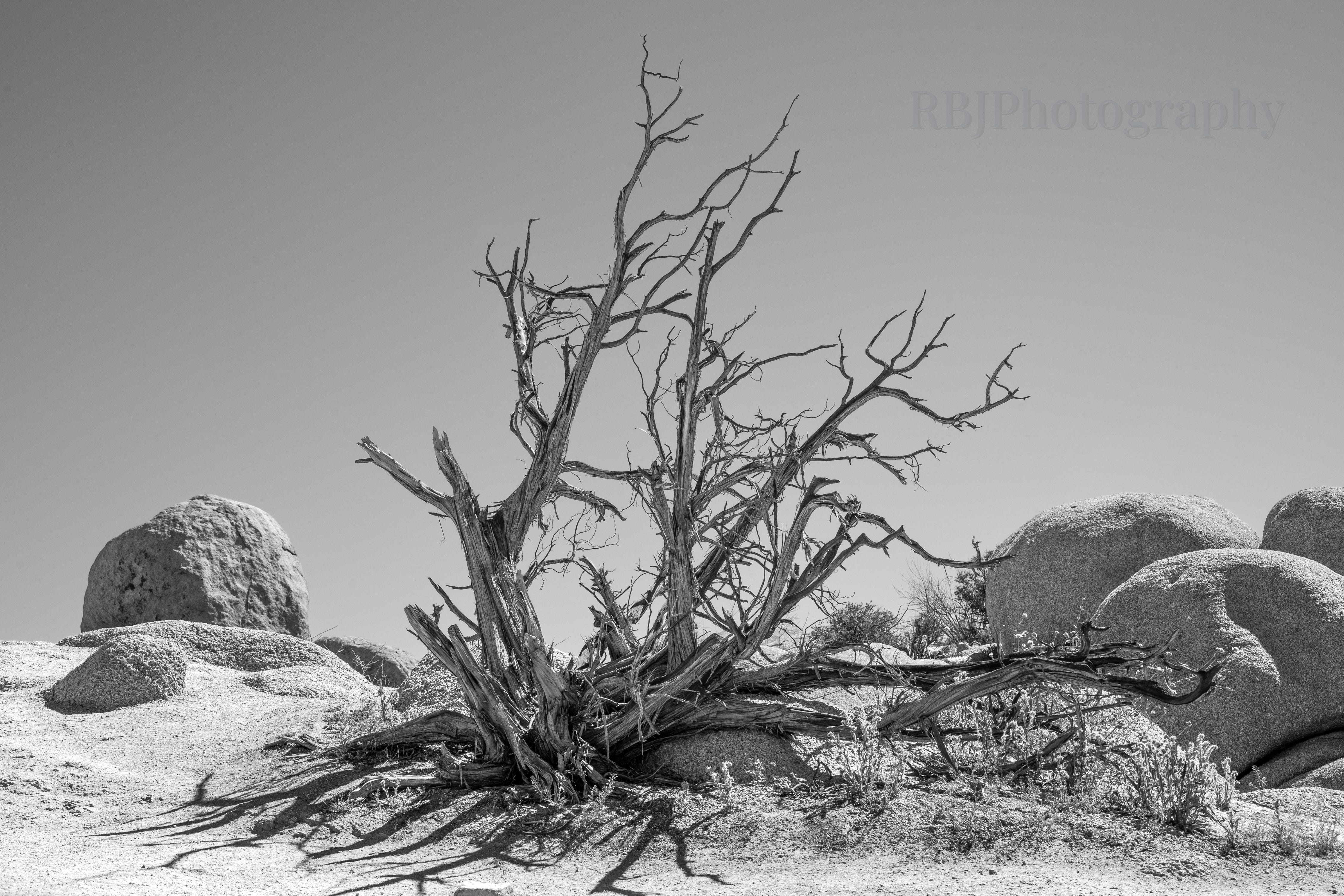
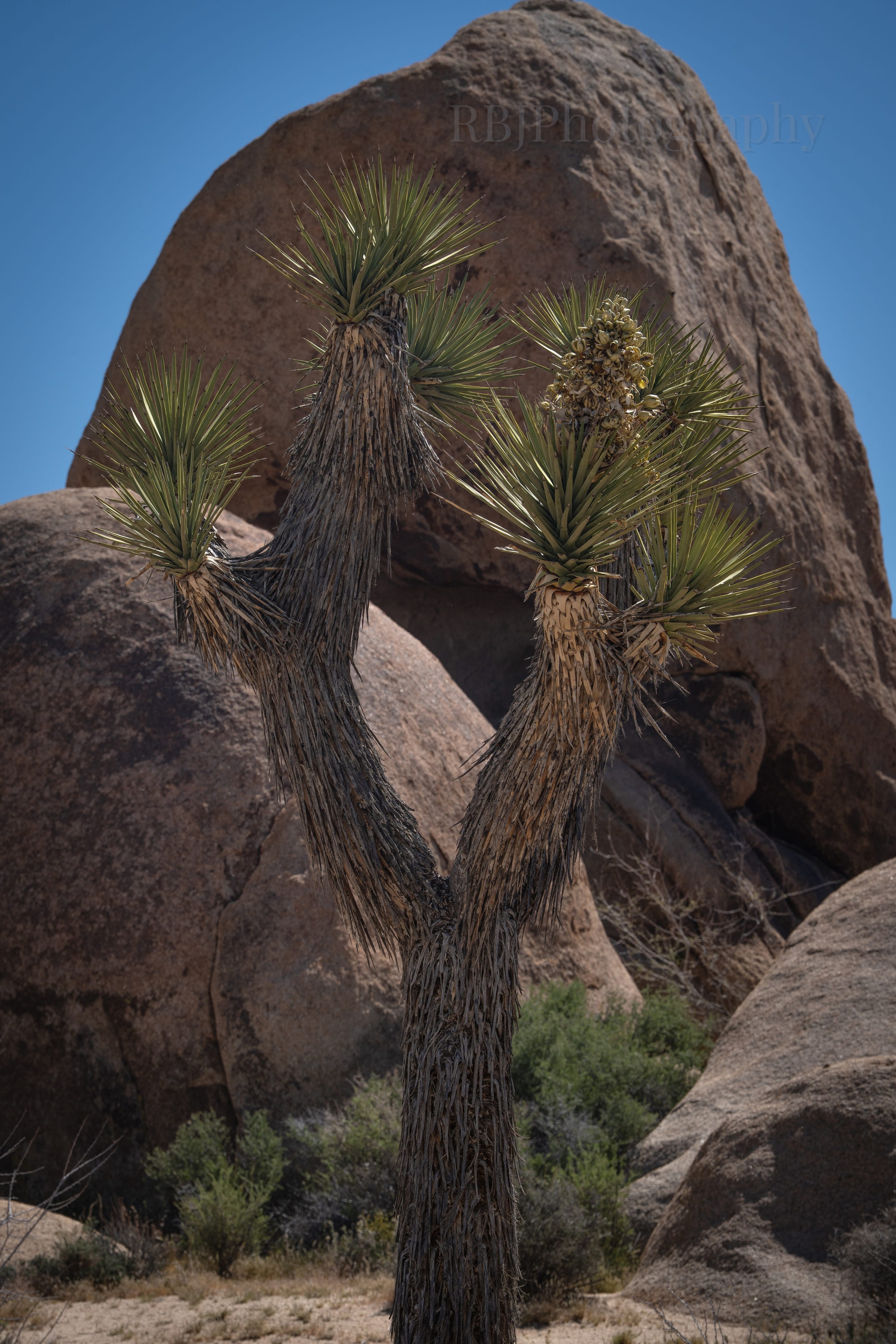
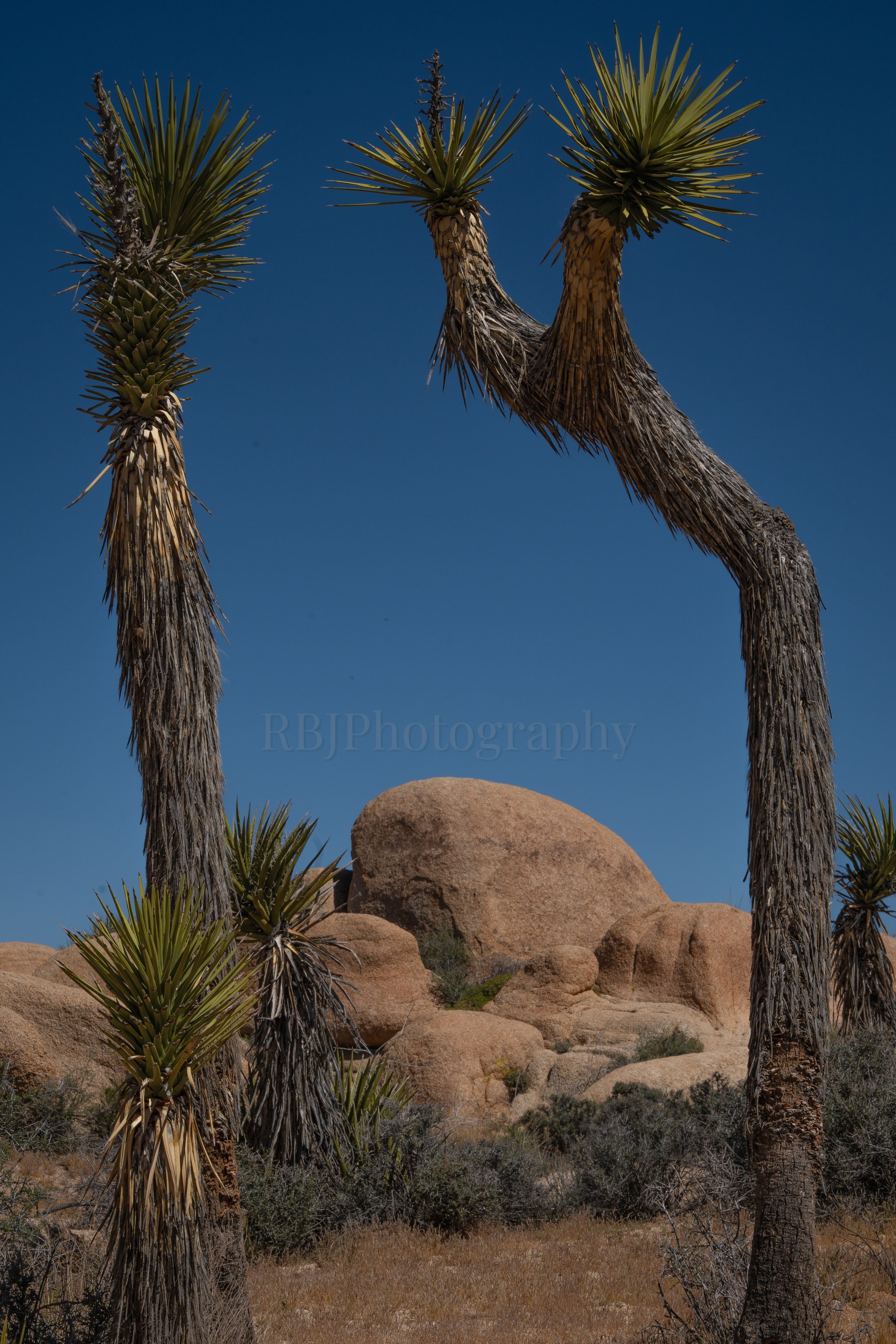
We got back to the van, soaked through, and feeling angry that it was so damn hot in March. I had prepared for this before the trip, and my research said to drive up to Keys View, 1,500 feet higher in elevation. The 30-minute drive was much needed because the air conditioning calmed both of us down.
At the summit, we made lunch, then took an afternoon van nap. It was about ten degrees cooler at the top, plus there was a nice breeze blowing through the van. When we woke up, Adam looked at me and said, “Man, this heat is killing my throat. It’s so sore.” Spoiler alert: it wasn’t the heat. But alas, we had a new area to explore, so we got out of the van and walked to the two overlooks.
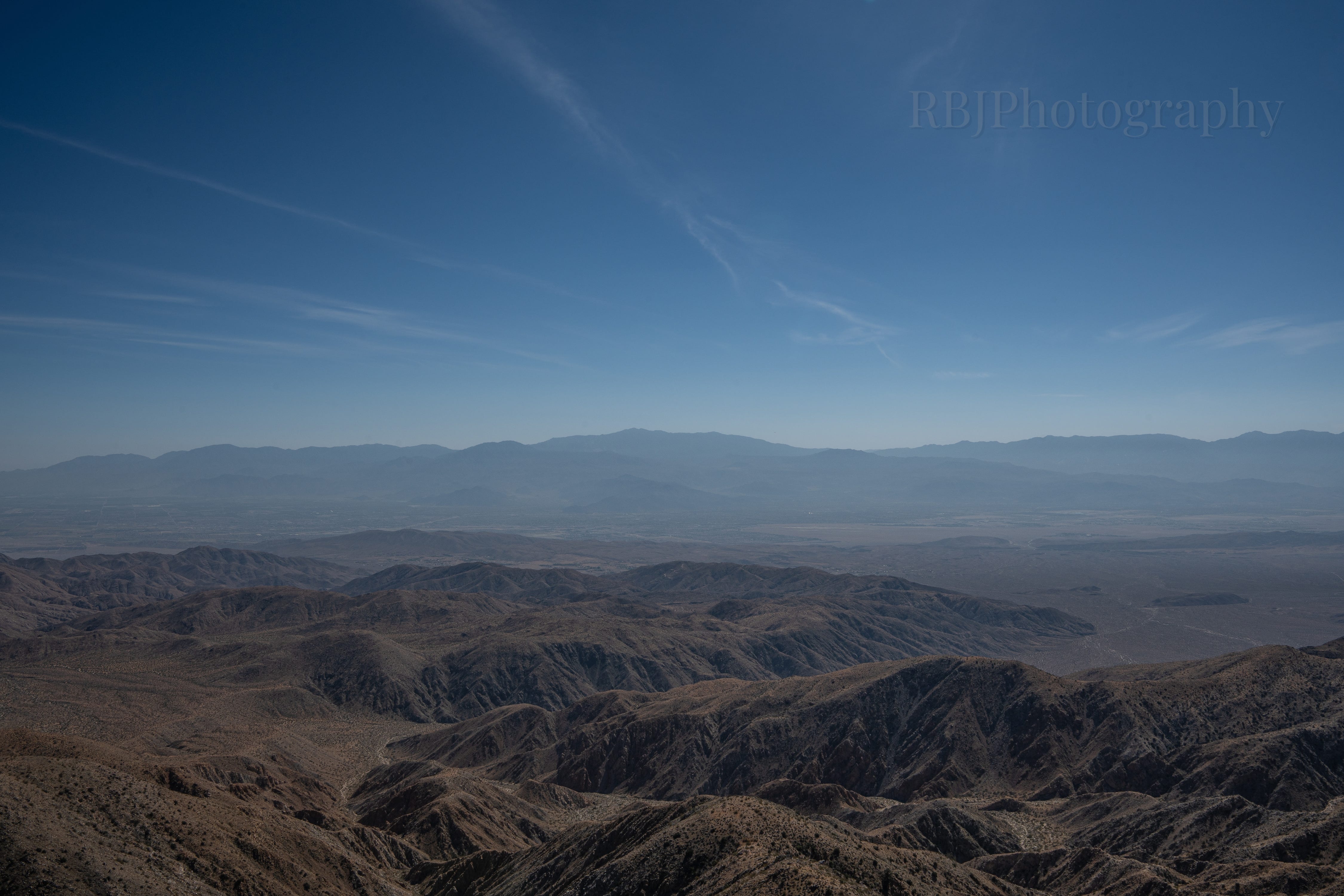
From this vantage point, we could see North Palm Springs.
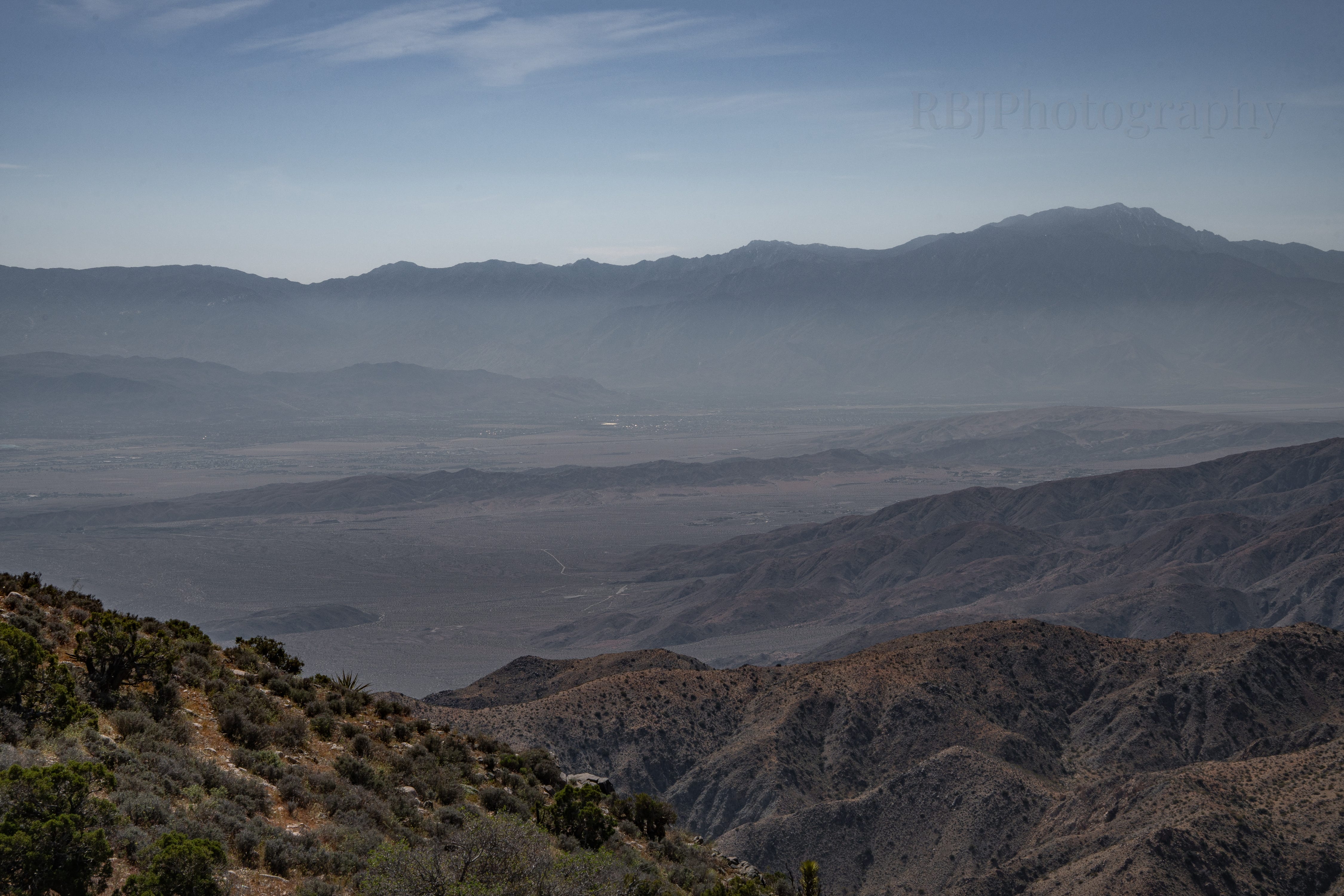
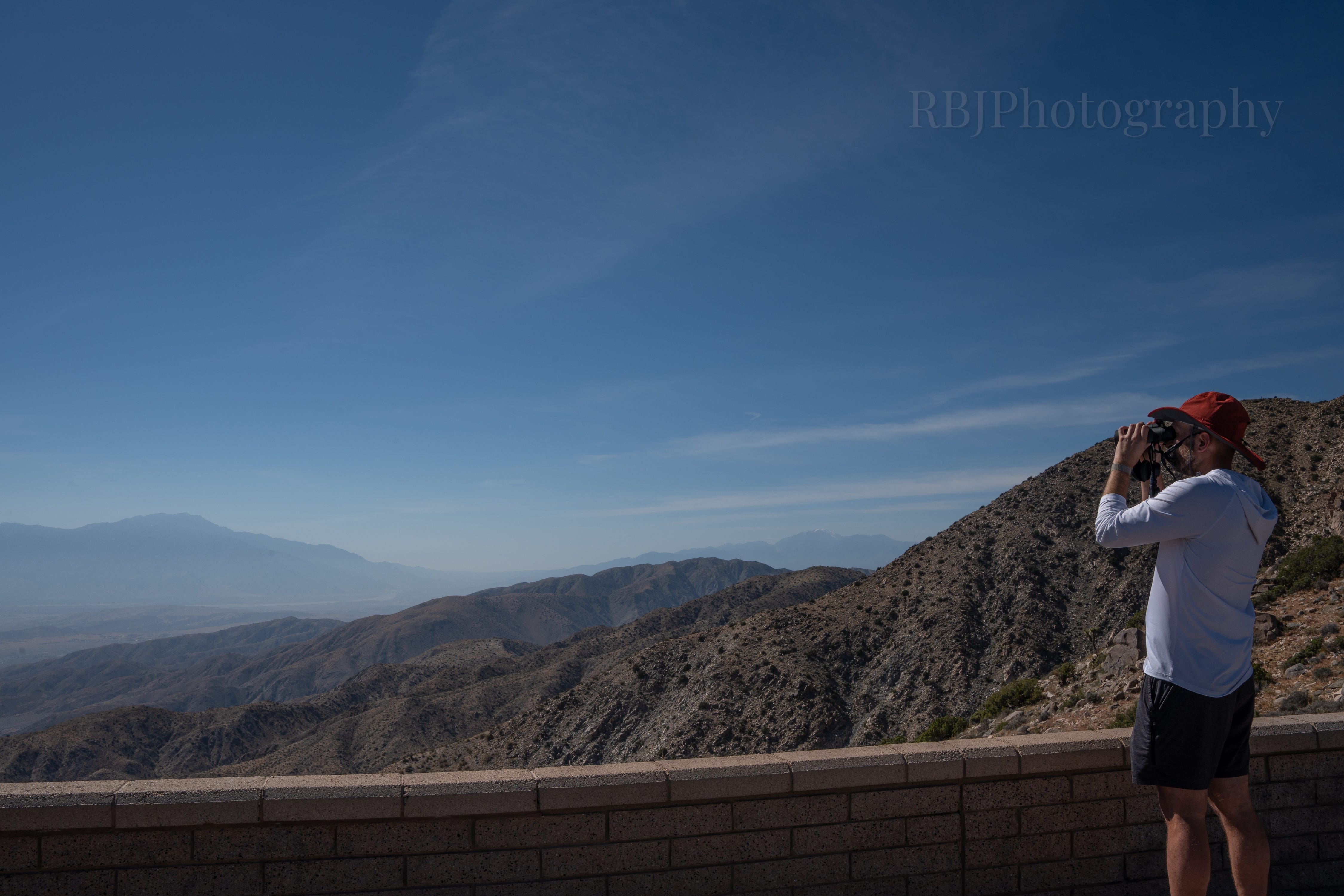
And from this vantage point, you could see Indio and Coachella. Two weeks after our visit, the valley was filled with 250,000 people there to see Sabrina Carpenter and Justin Bieber. Instead, Adam and I watched the Coachella music festival for free on YouTube.
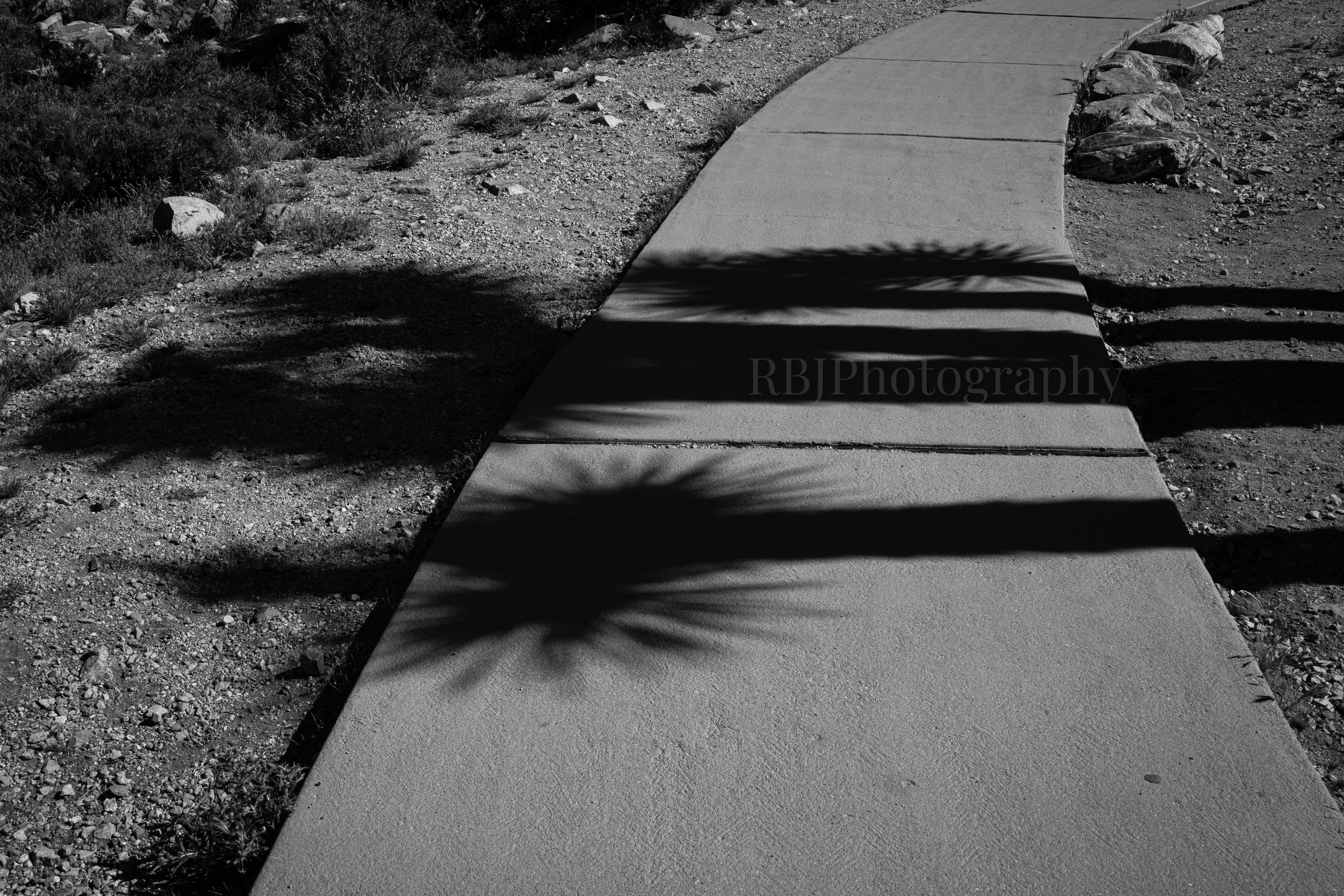
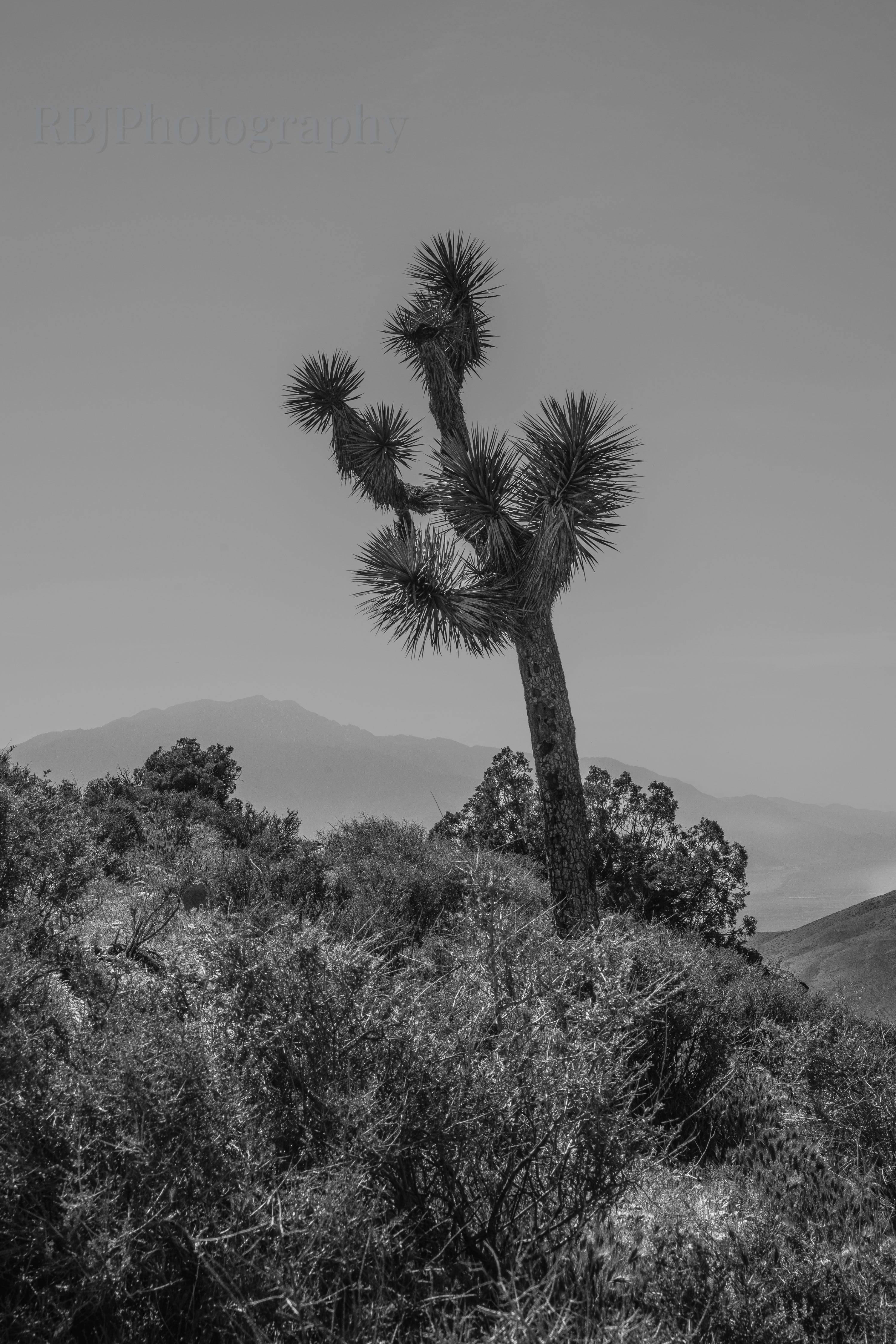
After surviving the hottest part of the day, we drove to our campsite at Jumbo Rocks with a quick pitstop at Hidden Valley. The drive back down Keys View Road was awesome - so many Joshua trees, but not many places to stop and take pictures. So I did what I always do: I rolled down the window and shot while Adam drove.
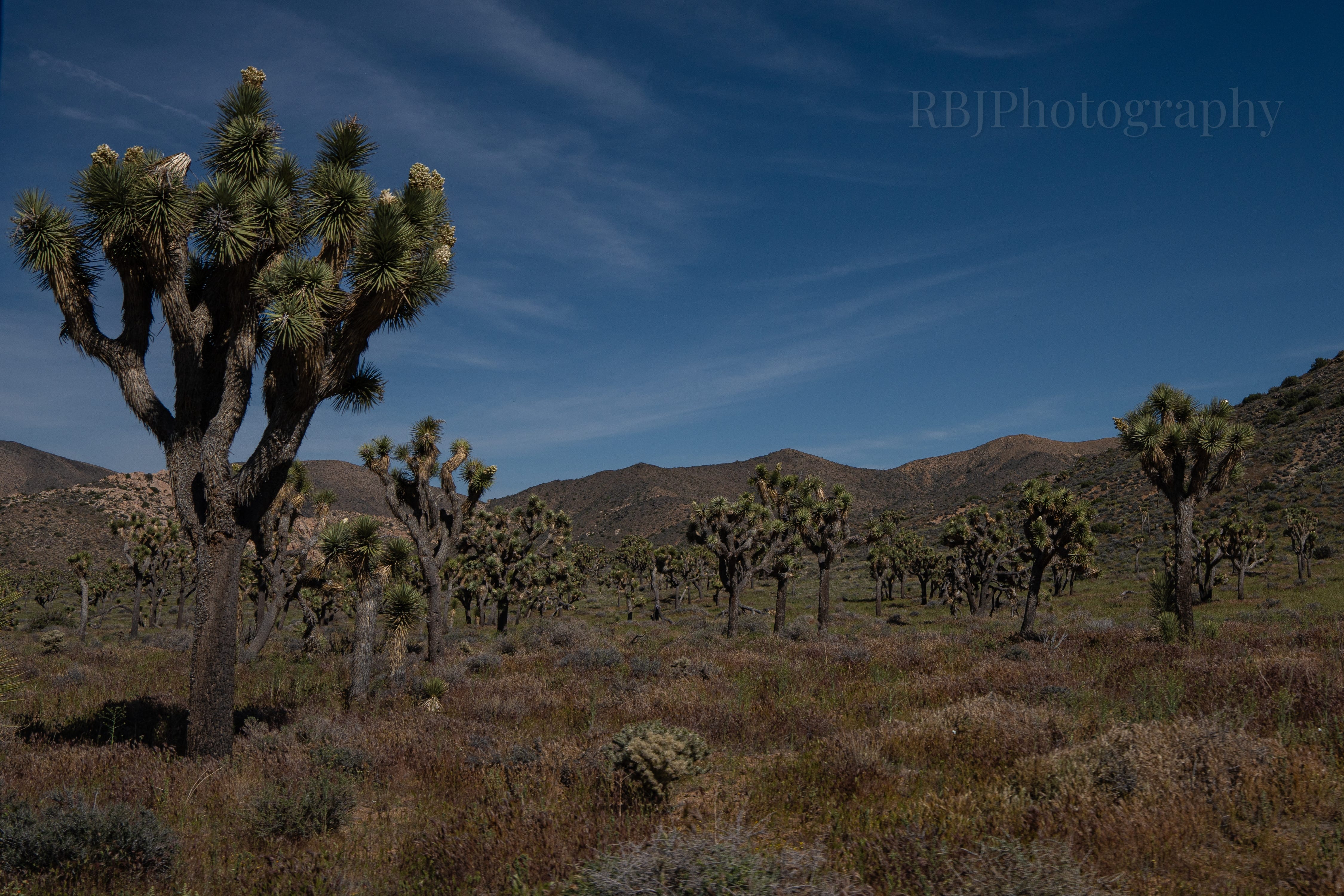
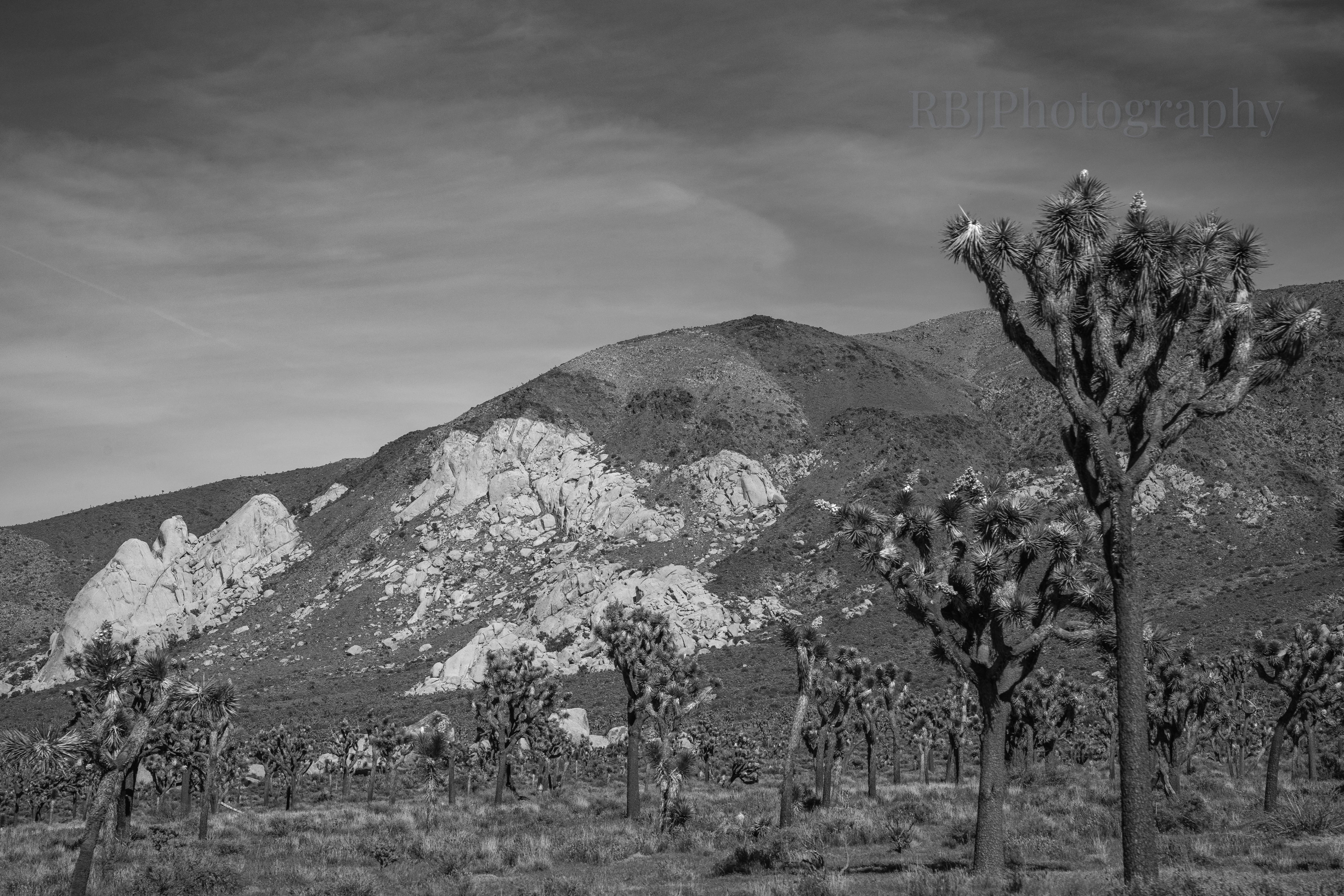
The trail at Hidden Valley is worth a quick jaunt. Similar to Barker Dam, it’s worth hiking in the late afternoon: great light and smaller crowds.
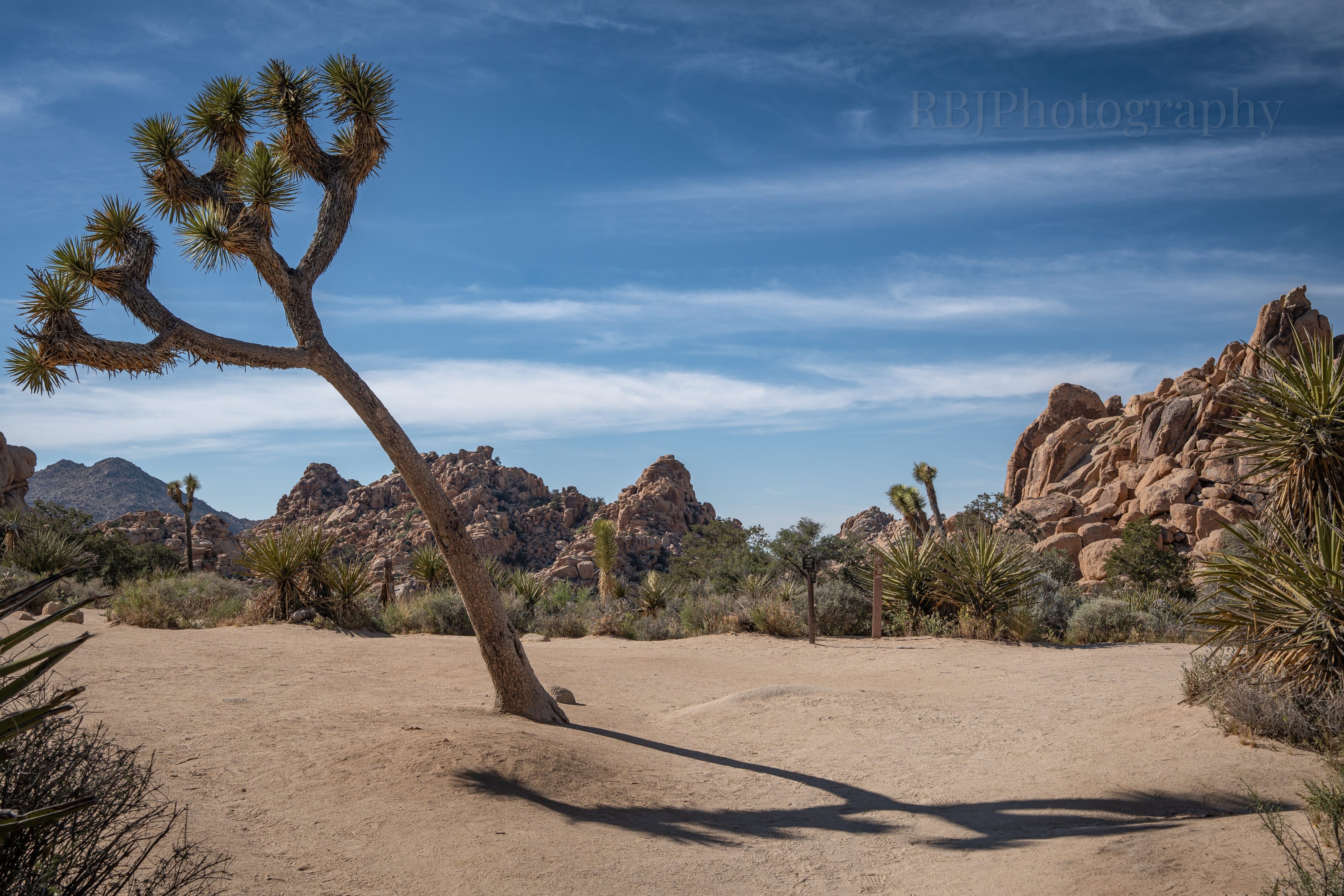
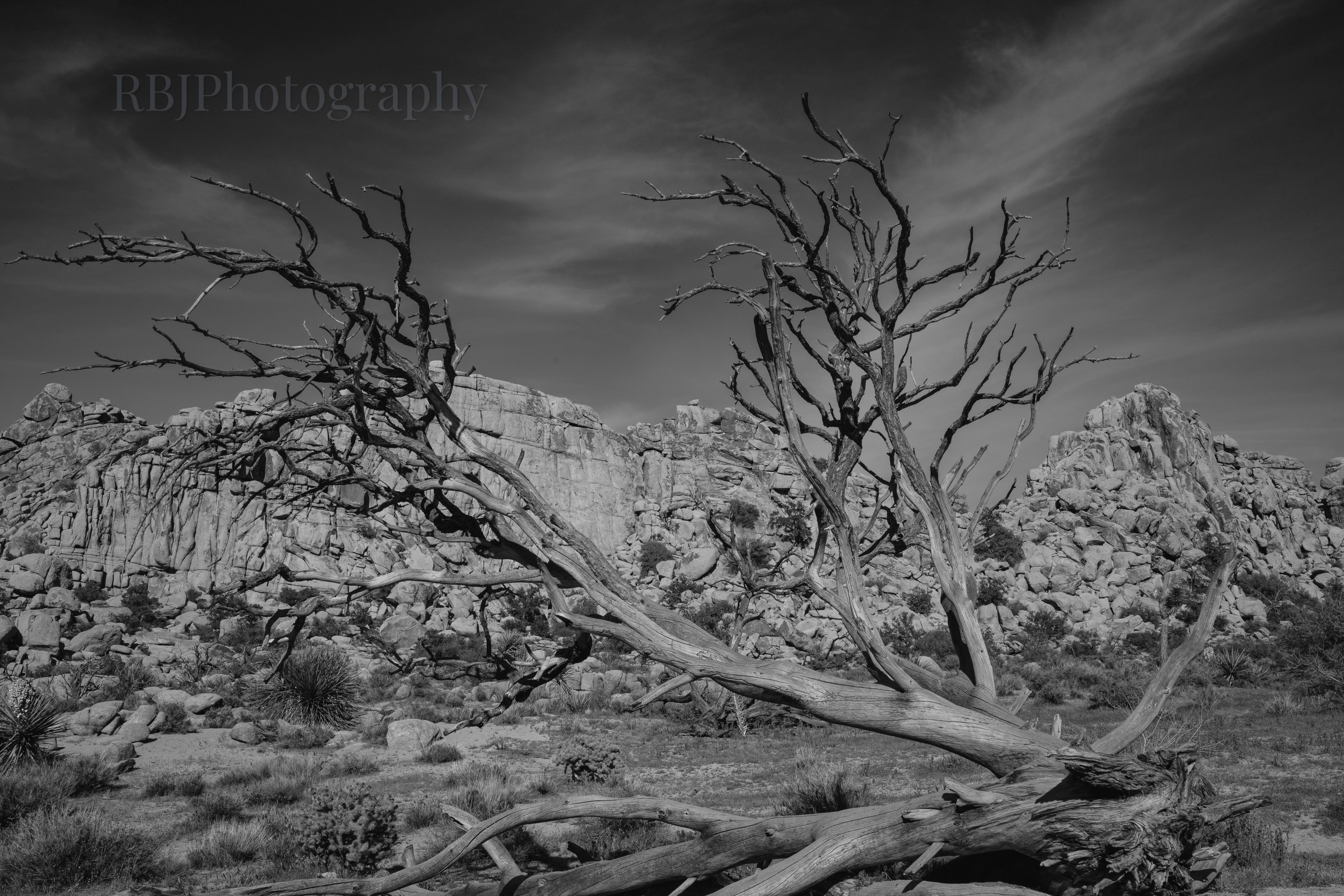
Even though this day was all about the heat, it only got hotter from here.
Cheers.
Missed part one or part two?


I used to live in that part of the country, yes, it gets VERY hot.
These are fantastic shots! I can actually feel the heat through these. 🥵